Image 1 of 70
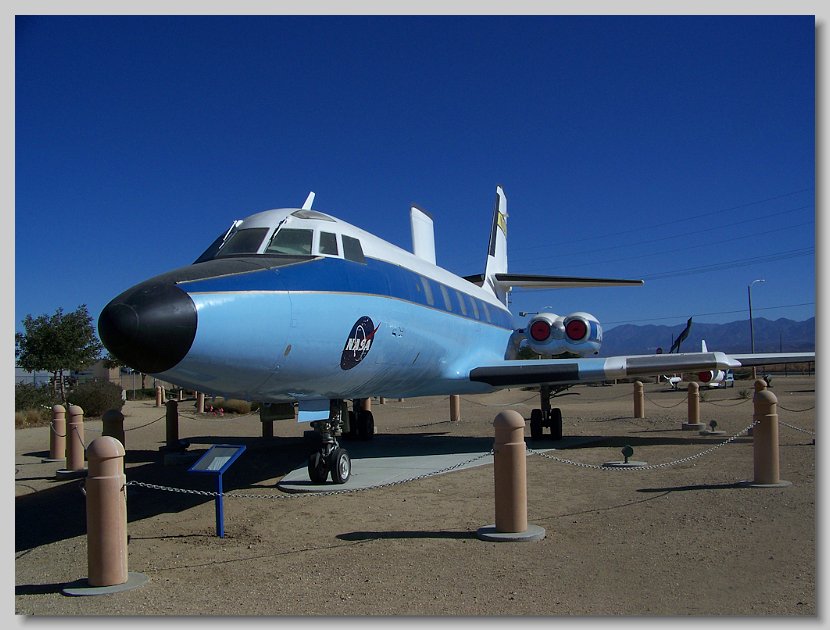
The Palmdale City Airpark has about 15 planes so far, including this spiffy Lockheed C-140 Jetstar
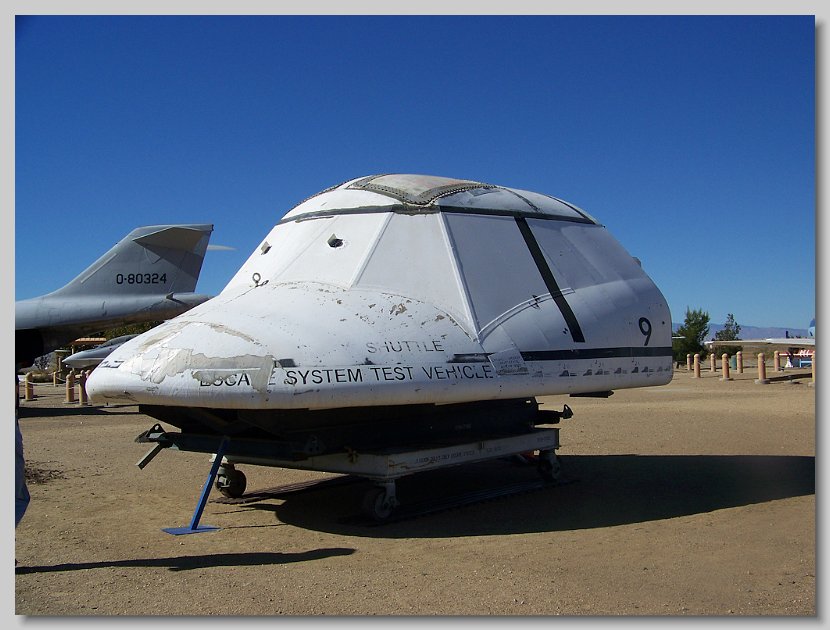
Image 2 of 70
The plan is to show every aircraft with ties to Air Force Plant 42 - such as this original Space Shuttle test pod
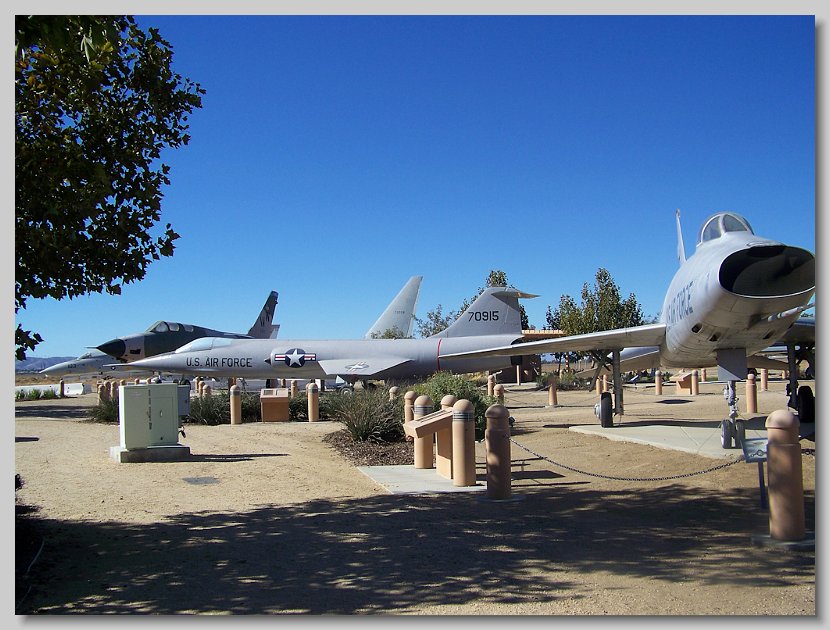
Image 3 of 70
The park is about 10 years old, and expects to grow to about 40 planes over time
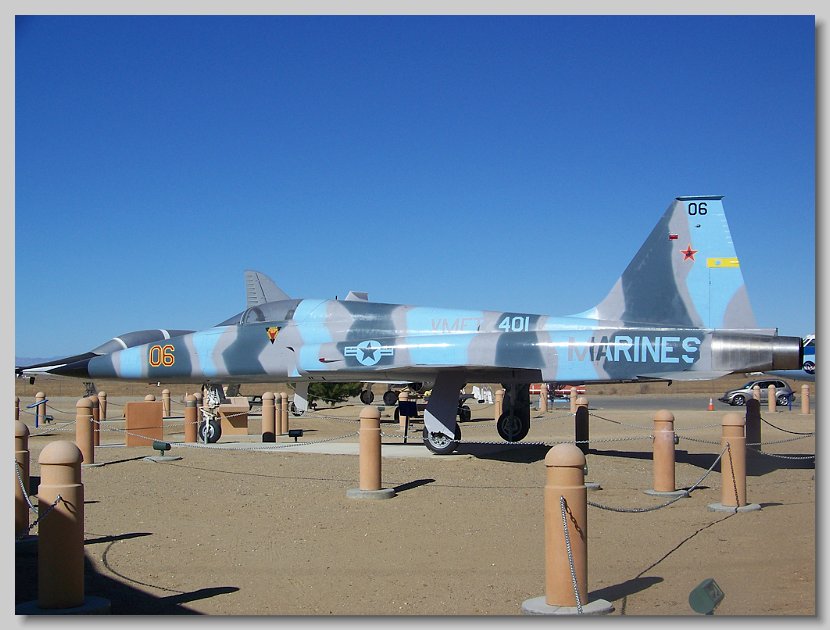
Image 4 of 70
There's a huge pool of retired folks who built these and who volunteer to restore them. This is a Northrup F-5 Tiger
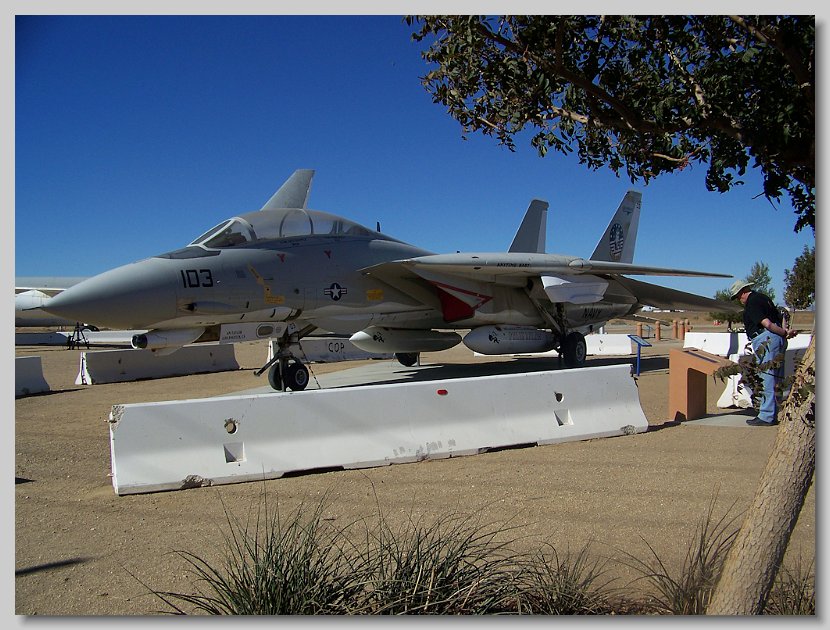
Image 5 of 70
Most of the planes date to the 60's, including this Grumman F14 Tomcat
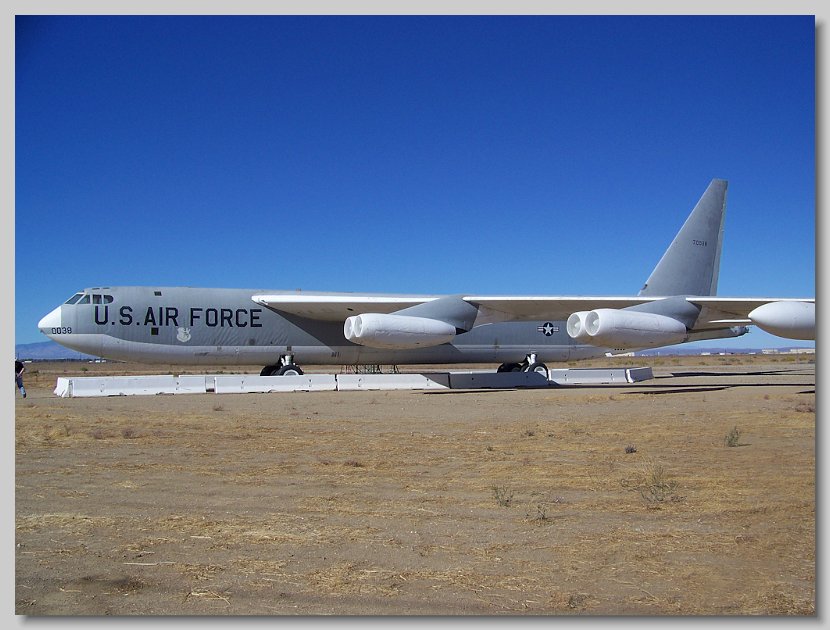
Image 6 of 70
They've recently restored this B52 bomber
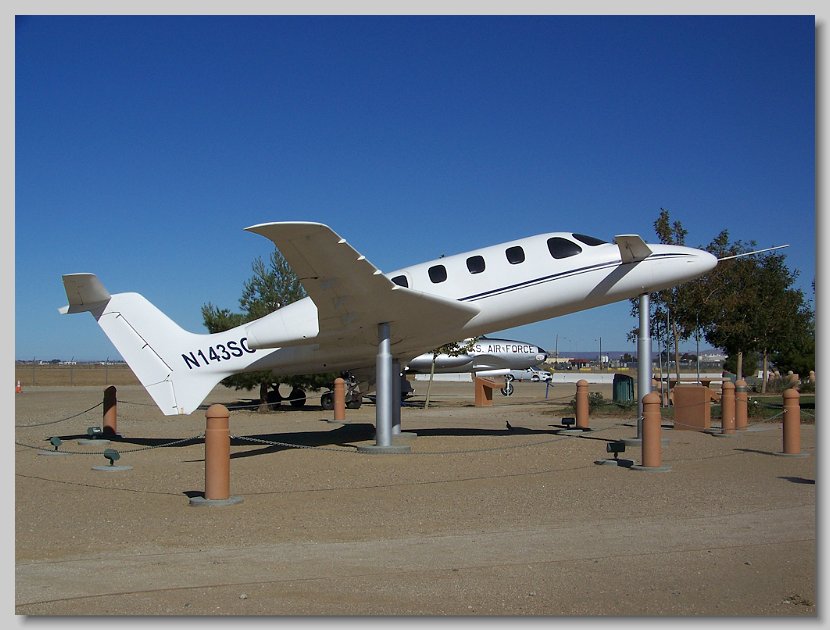
Image 7 of 70
This is the only Rutan Triumph ever built - the first all-composite jet ever
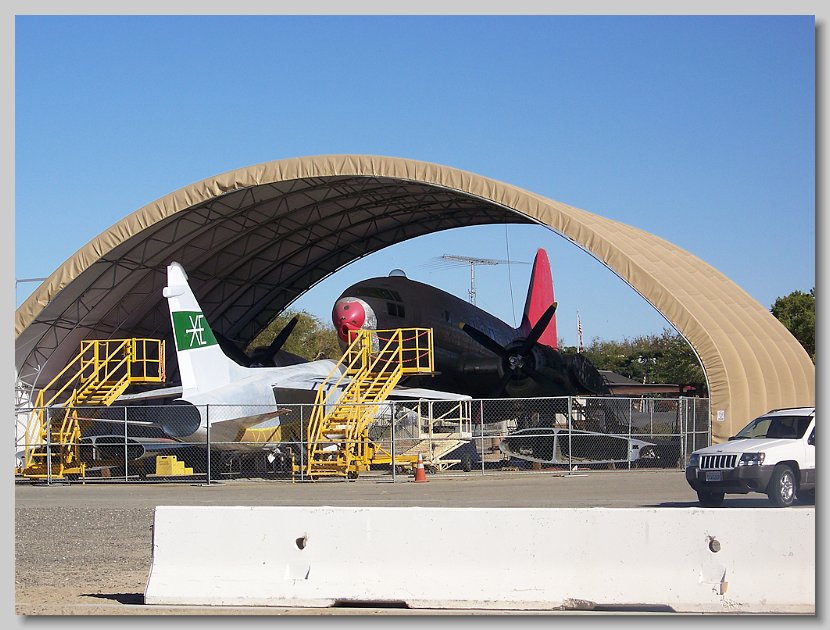
Image 8 of 70
They have a covered area to work on these planes, and there are two in the works
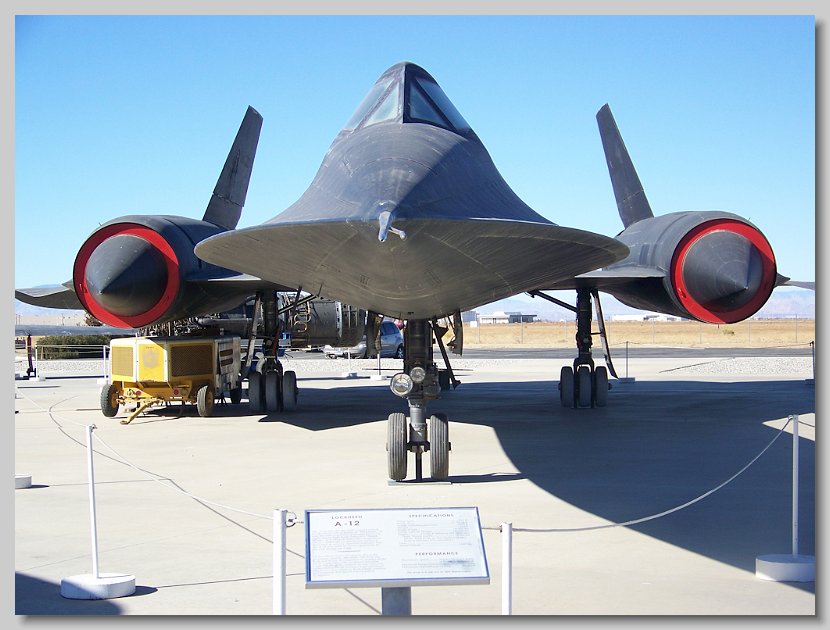
Image 9 of 70
Next door, at the Blackbird Airpark, is this A-12. It's the very first Blackbird ever built, and first flew in April 1962
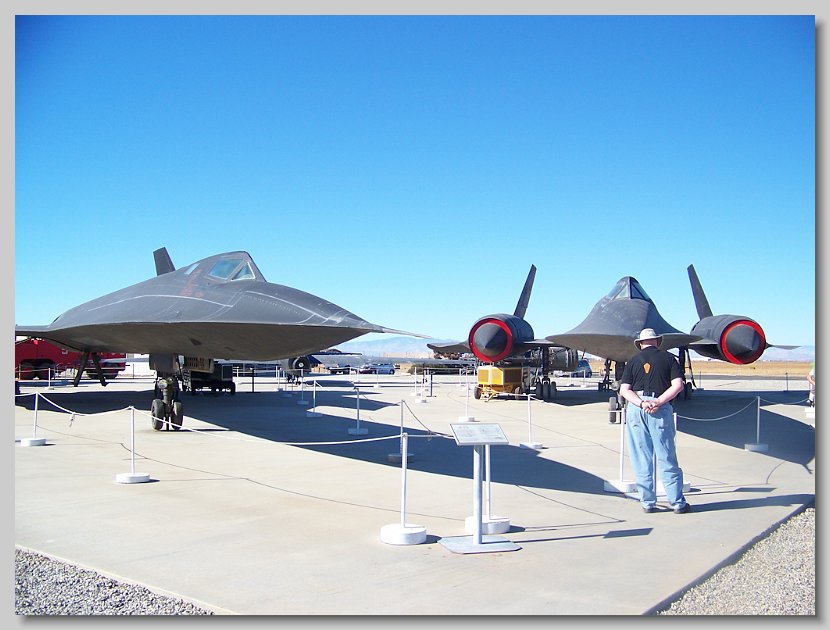
Image 10 of 70
The SR71 (left) was the successor to the original A-12. Some still say the A-12 was the superior aircraft
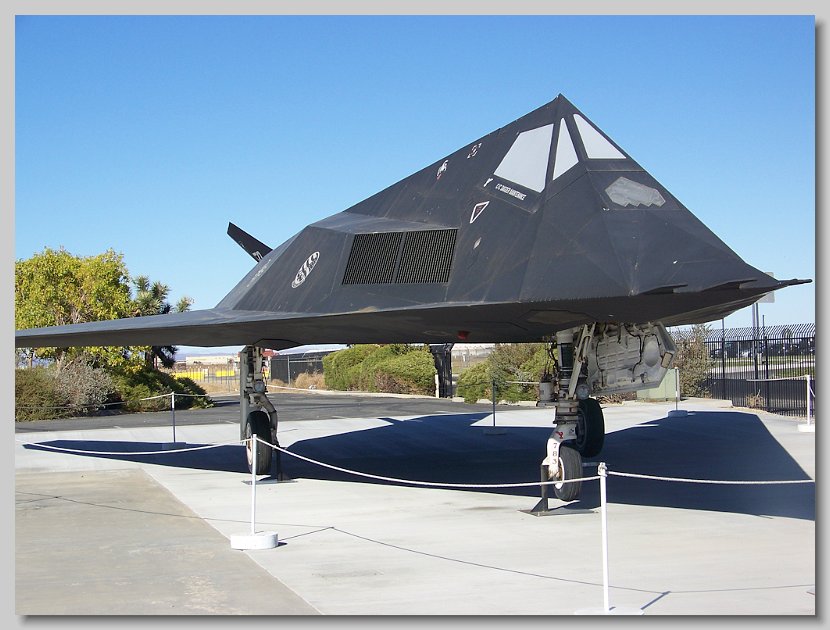
Image 11 of 70
This is the F117A Nighthawk - the first stealth aircraft (1981), and this is the 4th one of only 64 ever built
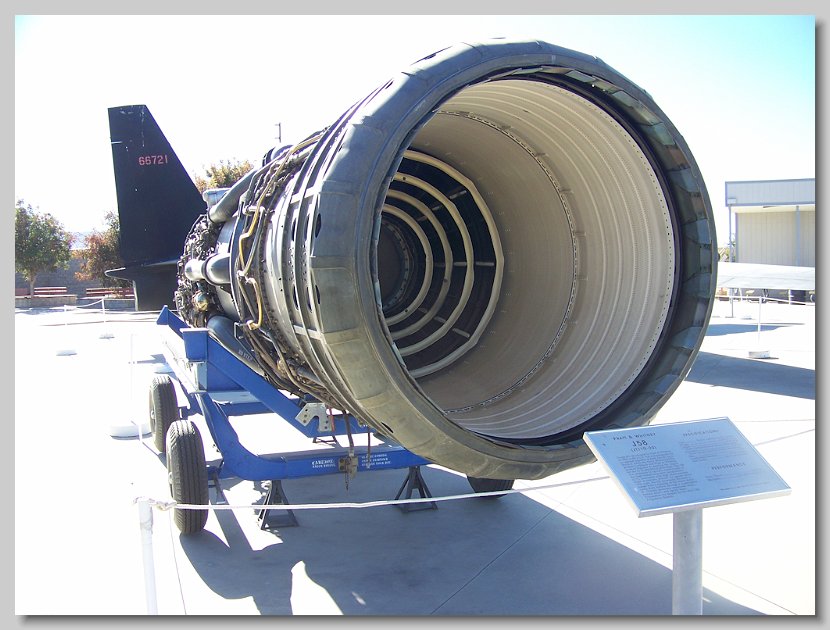
Image 12 of 70
A Blackbird J58 engine - the SR71 used two to fly at over 2200 mph
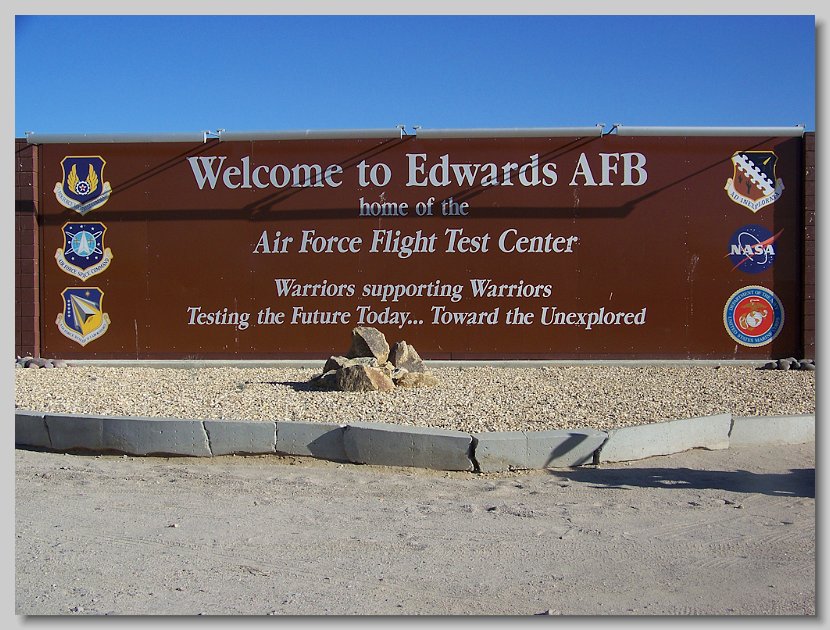
Image 13 of 70
We felt fortunate to be able to tour the Air Force Flight Test Center
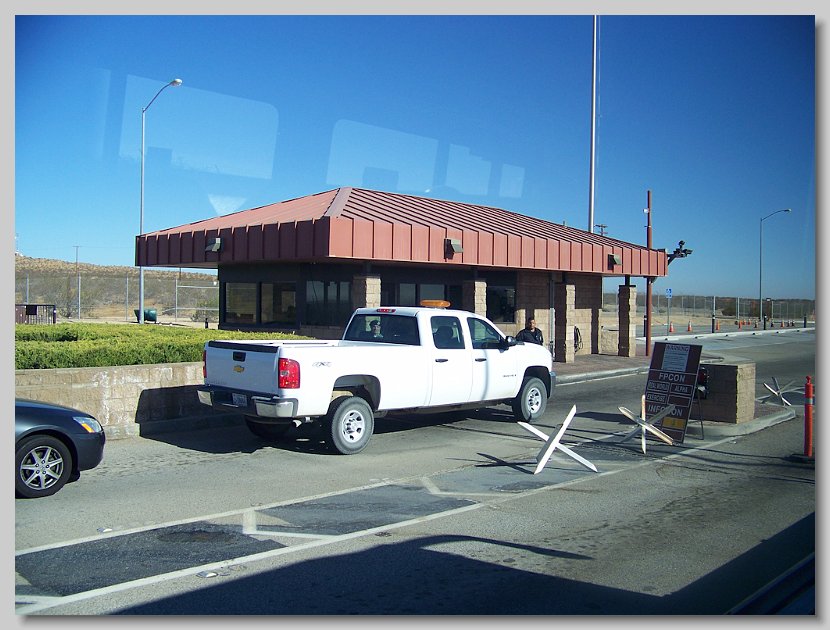
Image 14 of 70
They only give two public tours a month. Security is pretty tight
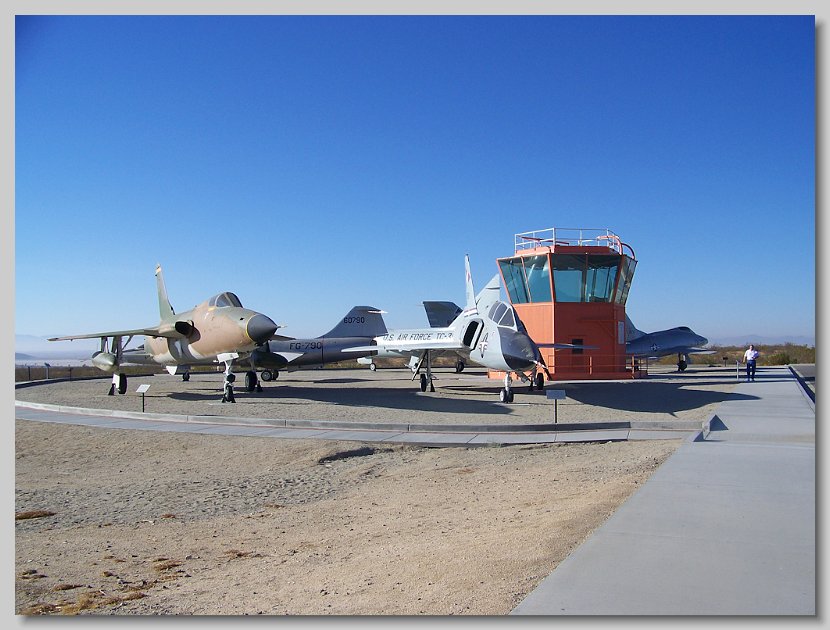
Image 15 of 70
Just outside the gate, at the tour parking lot, is a small display of planes
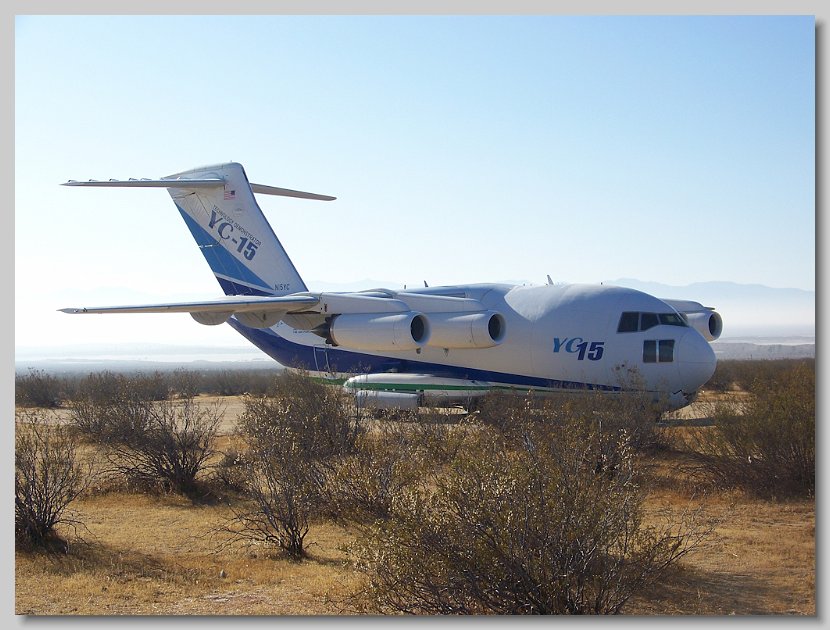
Image 16 of 70
The first of only two YC-15s built, this was a test bed for development of short runway cargo planes
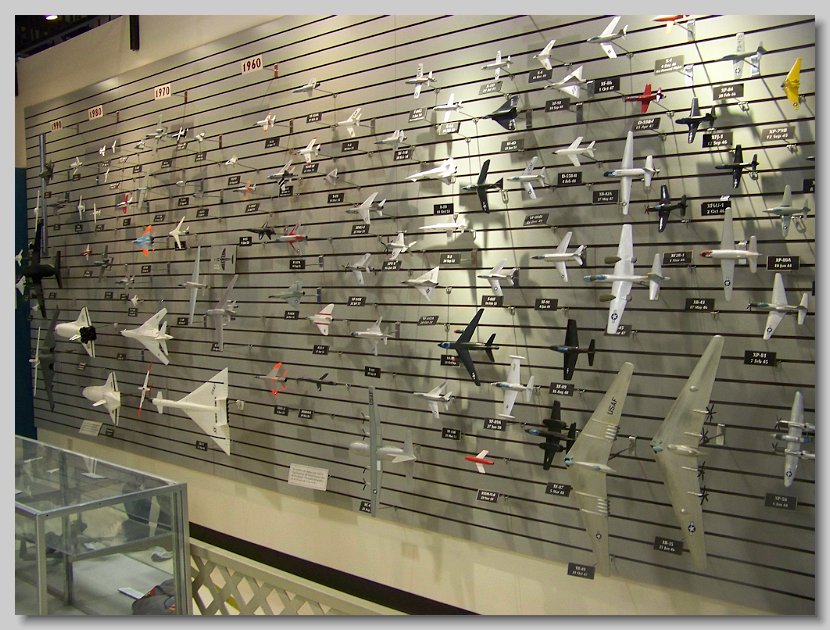
Image 17 of 70
Inside the base museum, this impressive wall displays models of every aircraft ever tested at Edwards AFB - more than 80.
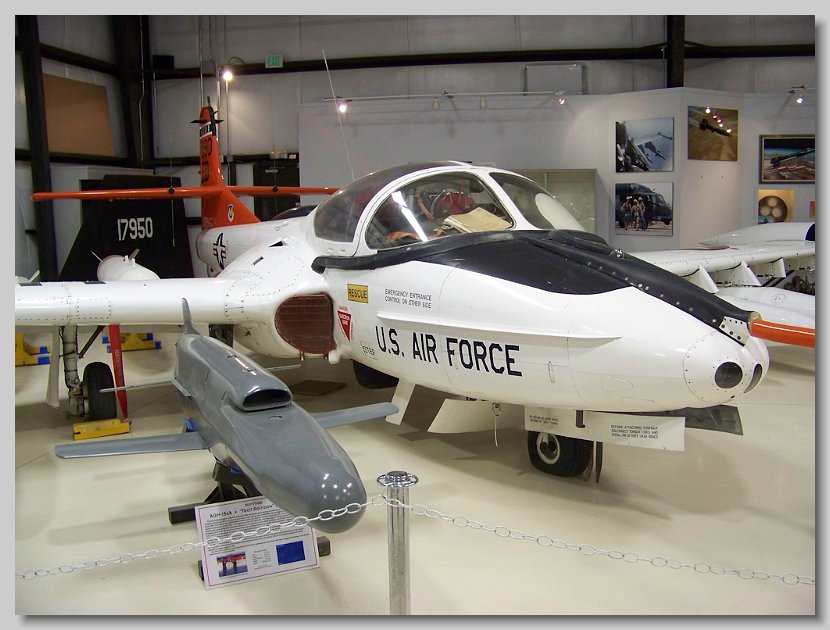
Image 18 of 70
This A37B Dragonfly was extensively modified for various test projects
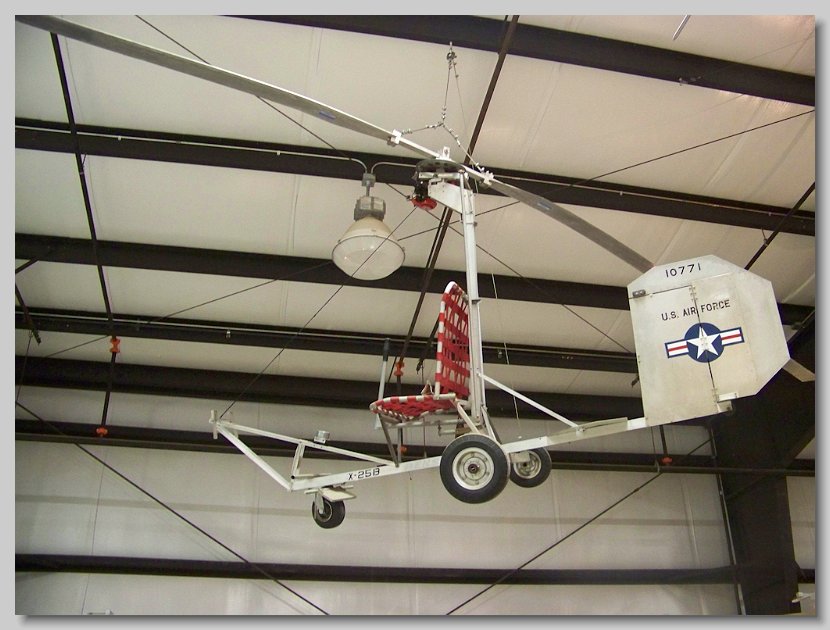
Image 19 of 70
The Benson X25 was an attempt to see if a small gyrocopter could be used as an ejection device. Love the hi-tech seat
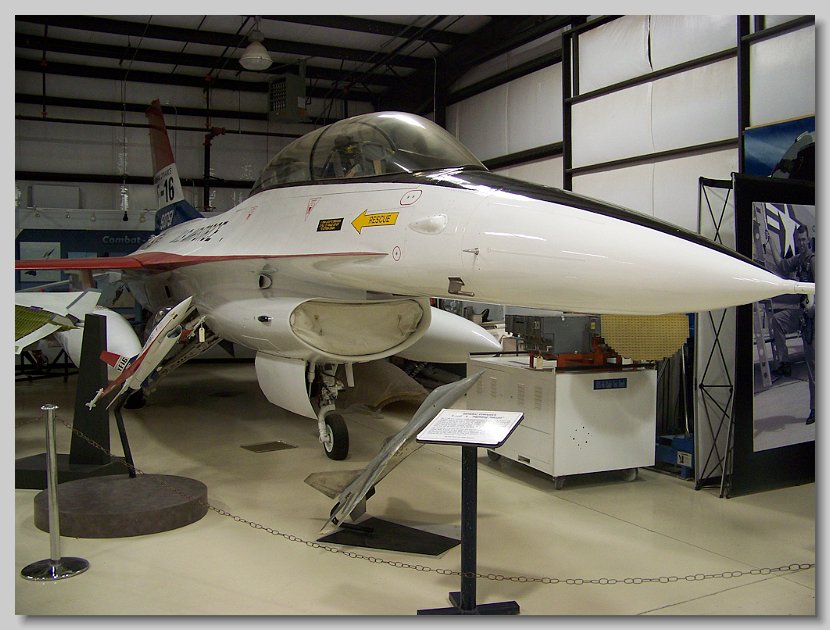
Image 20 of 70
The F-16 "Fighting Falcon" is currently the most popular fighter in the world. This one's painted in air show colors.
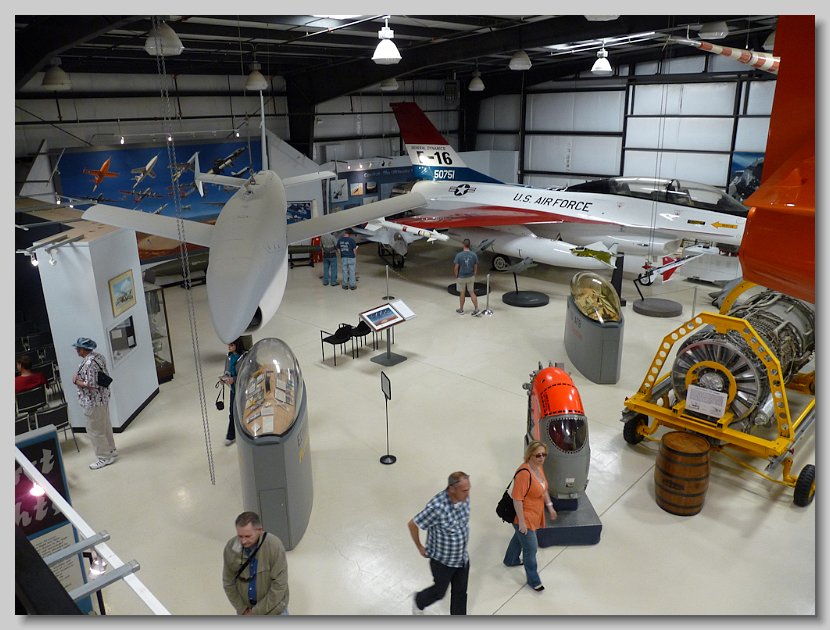
Image 21 of 70
It's not a big museum, but there's a lot of stuff in there
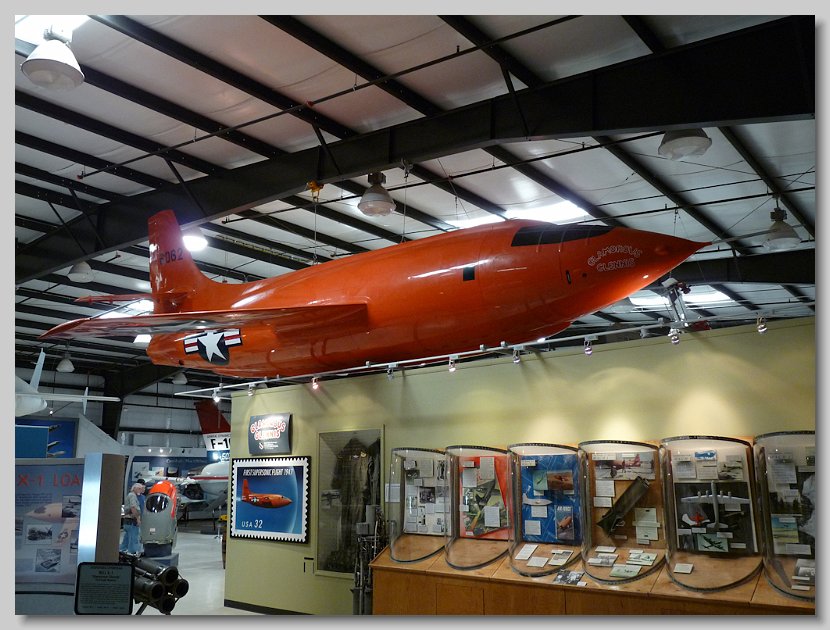
Image 22 of 70
Full-scale replica of the Bell X1 rocket plane - first supersonic flight by Chuck Yeager in 1947
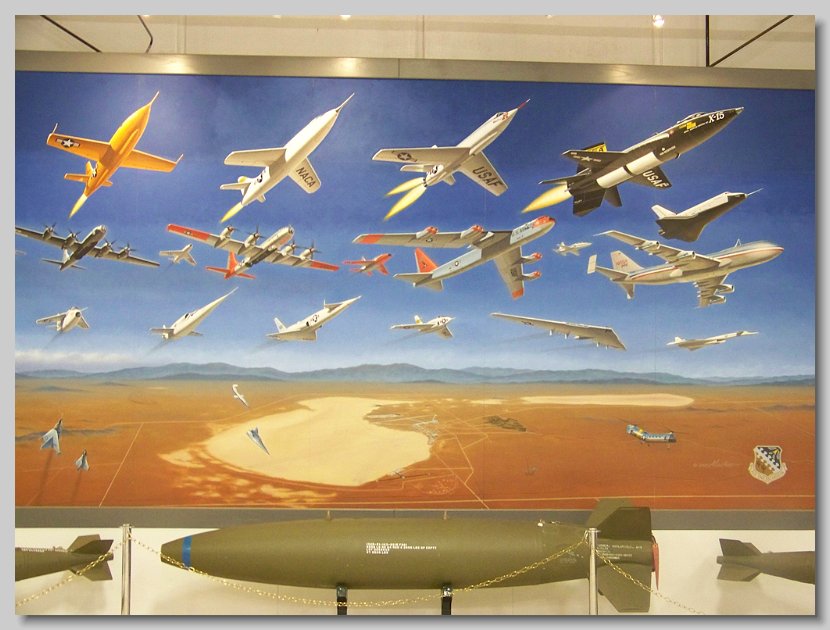
Image 23 of 70
This mural shows several test planes flying over the dry lake bed that is Edwards
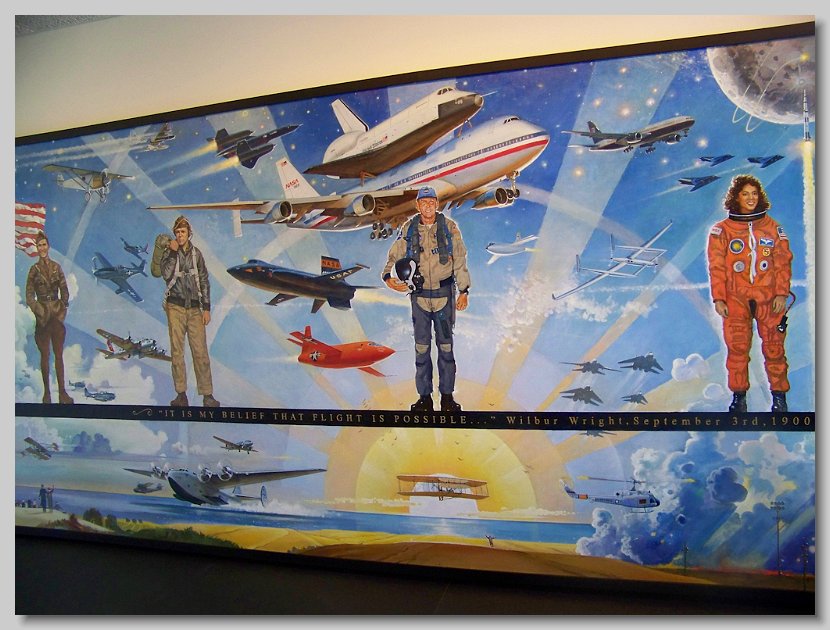
Image 24 of 70
This mural shows some of the notable individuals and planes
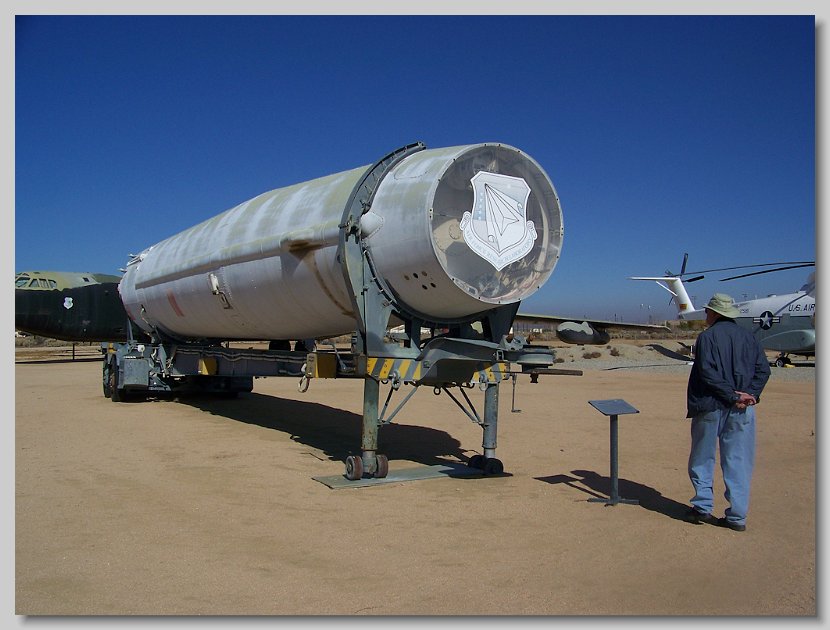
Image 25 of 70
Pretty sure that's a Thor missile. They tested the motors here
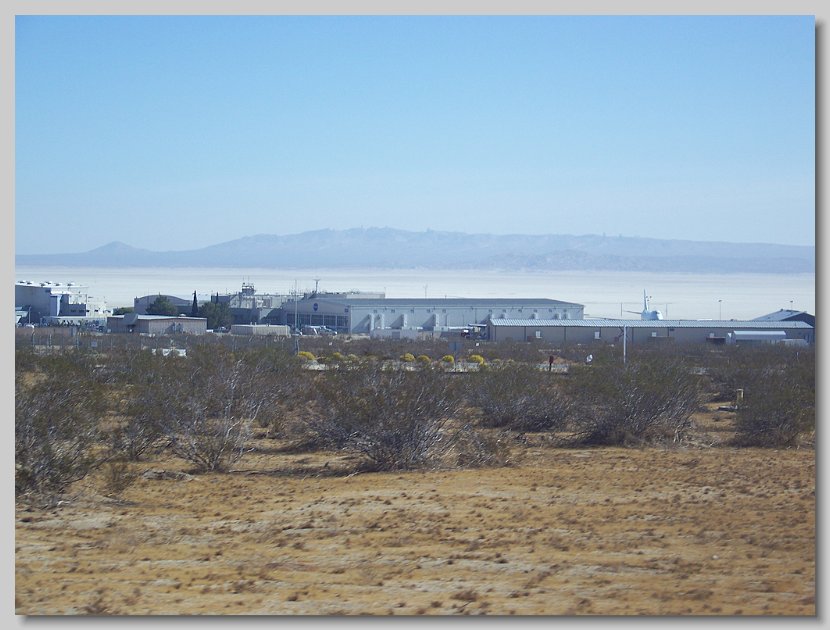
Image 26 of 70
The dry lake bed is why the base is here. The longest runway is over 30,000 ft
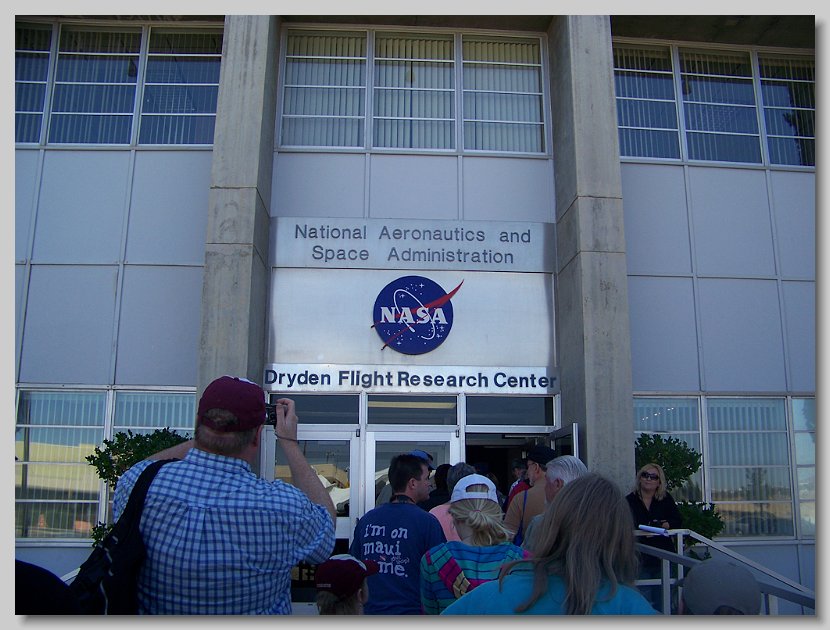
Image 27 of 70
This was probably the high spot of our tour. NASA always has lots of neat toys
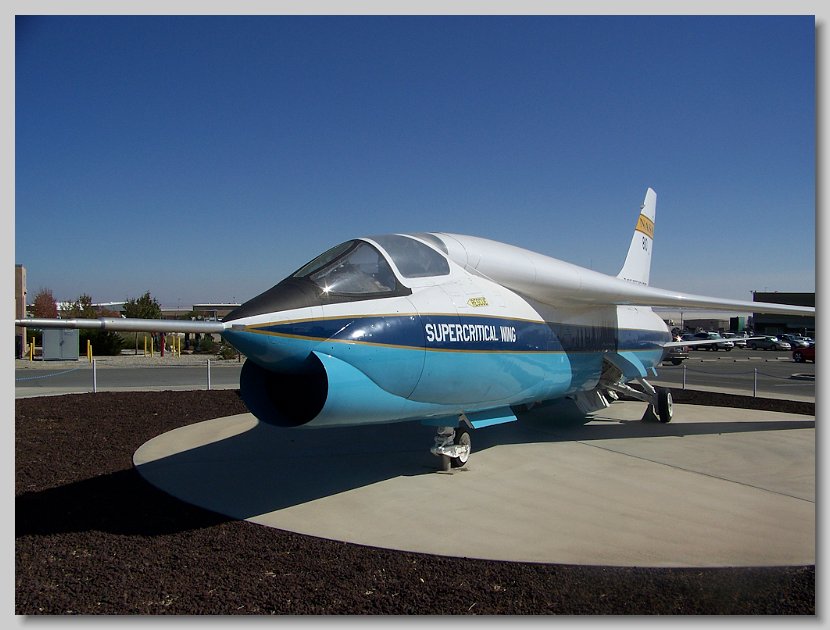
Image 28 of 70
This TF-8A used by NASA to develop the supercritical wing for trans-sonic flight (saves fuel, goes faster) last flew in 1973
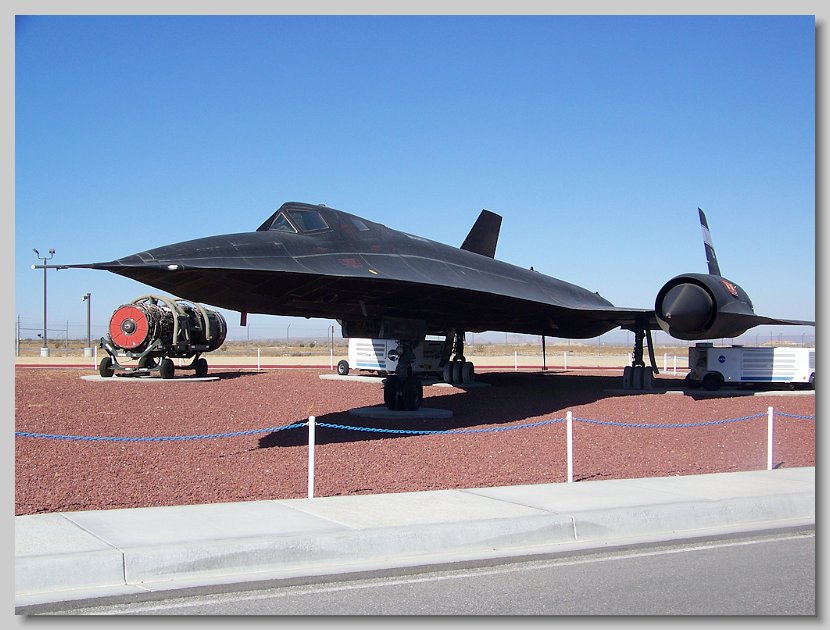
Image 29 of 70
One of NASA's now-retired SR71 Blackbirds
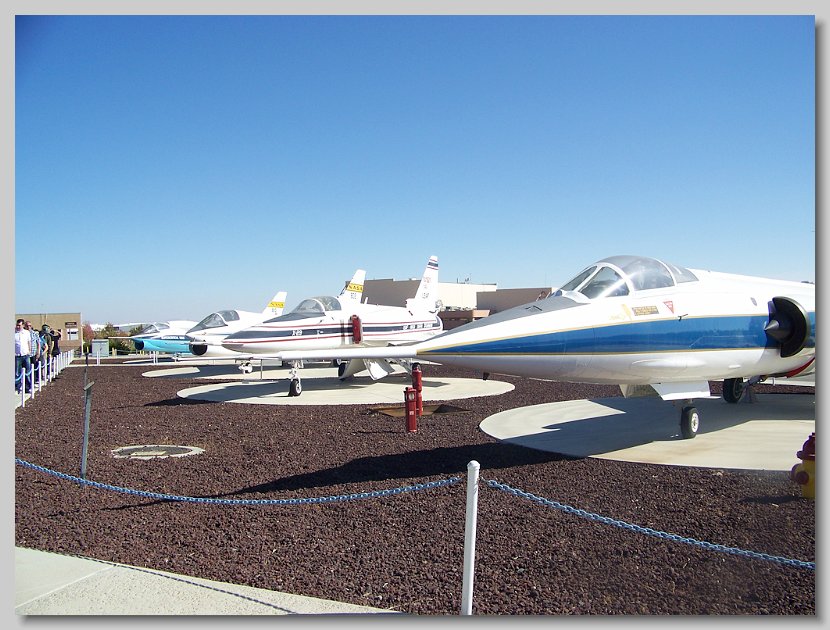
Image 30 of 70
An impressive lineup of retired NASA test planes
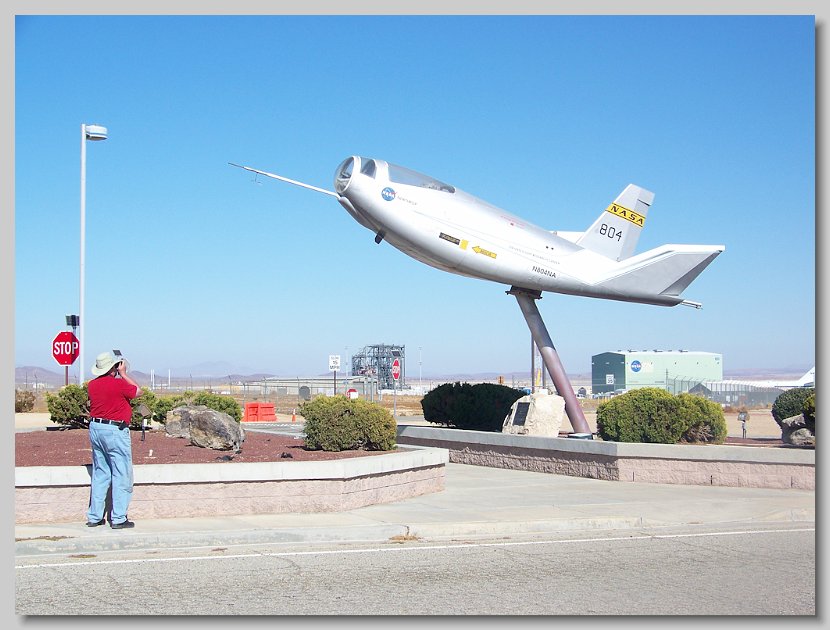
Image 31 of 70
One of the original "lifting body" wingless planes used to test concepts for the Space Shuttle
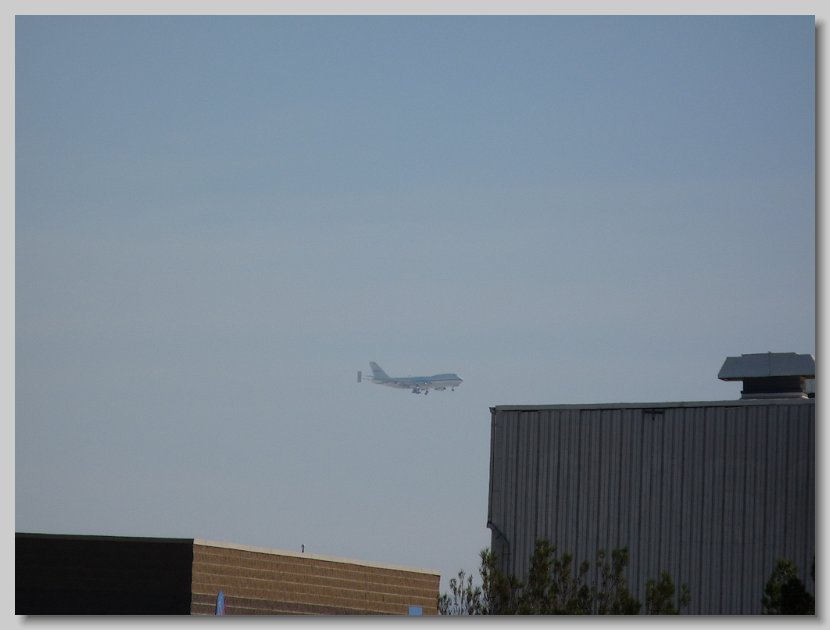
Image 32 of 70
One of the shuttle transport 747s was landing as we toured. We weren't supposed to point our cameras that way
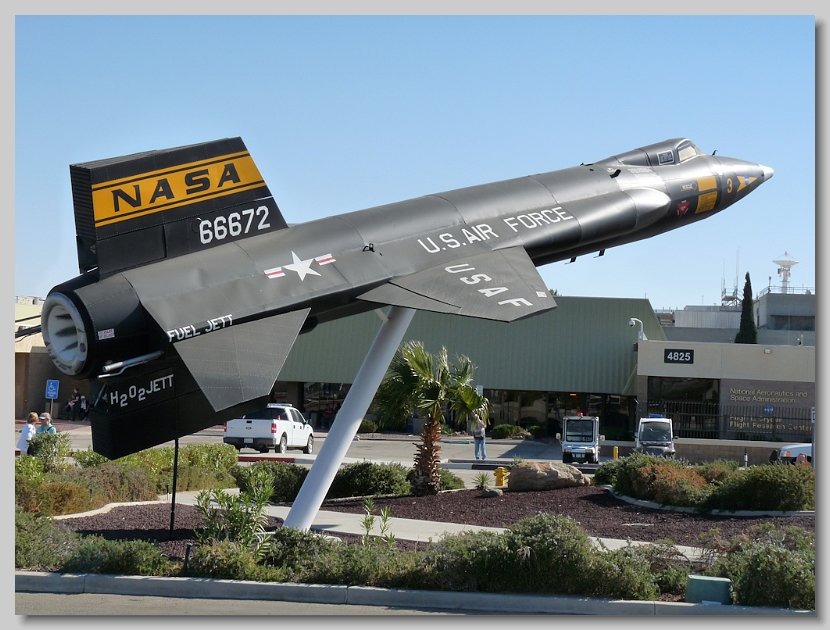
Image 33 of 70
The X15 rocket plane was the first manned aircraft into space - Joe Walker topped 100km in 1963
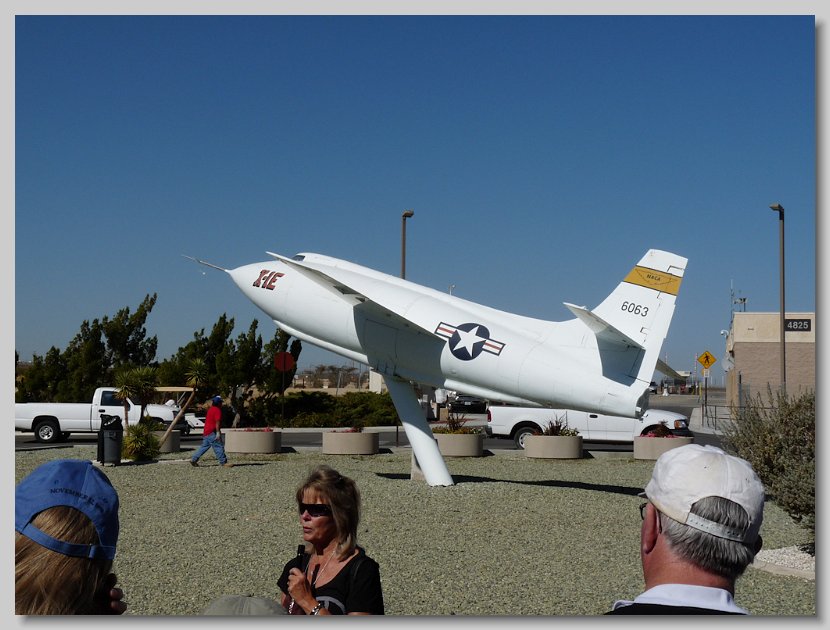
Image 34 of 70
A replica of one of the Bell X-1 rocket planes
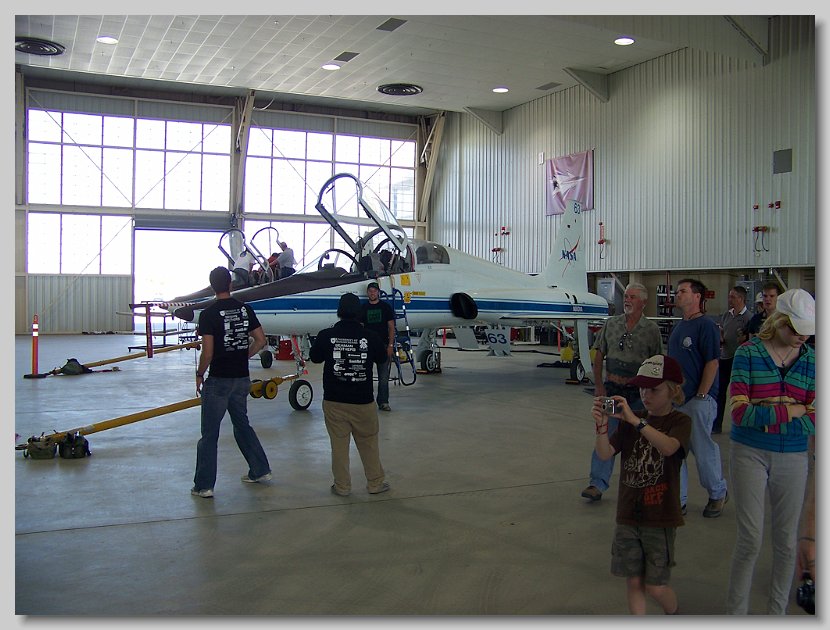
Image 35 of 70
Inside one of the NASA hangers, with a couple of T-38s used mostly as chase planes for other aircraft
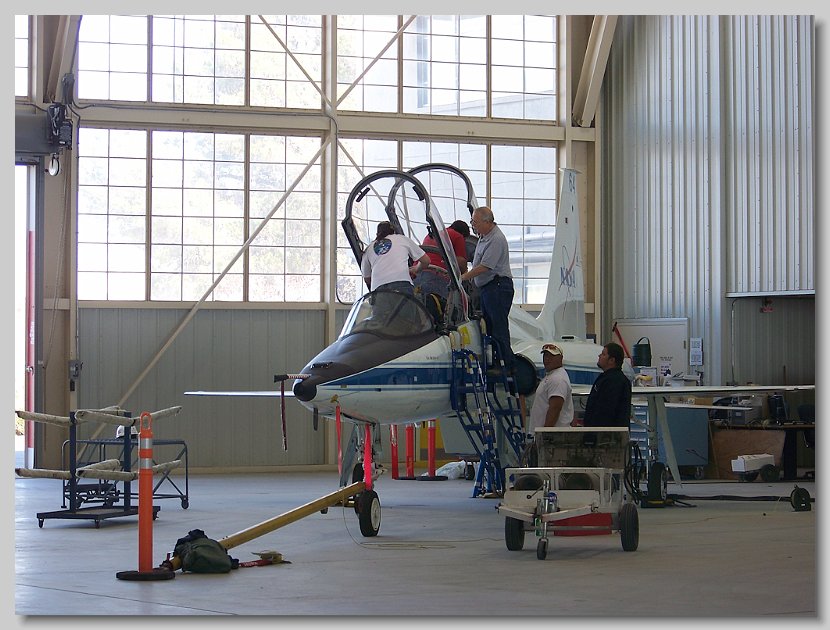
Image 36 of 70
These planes were having some new instruments installed
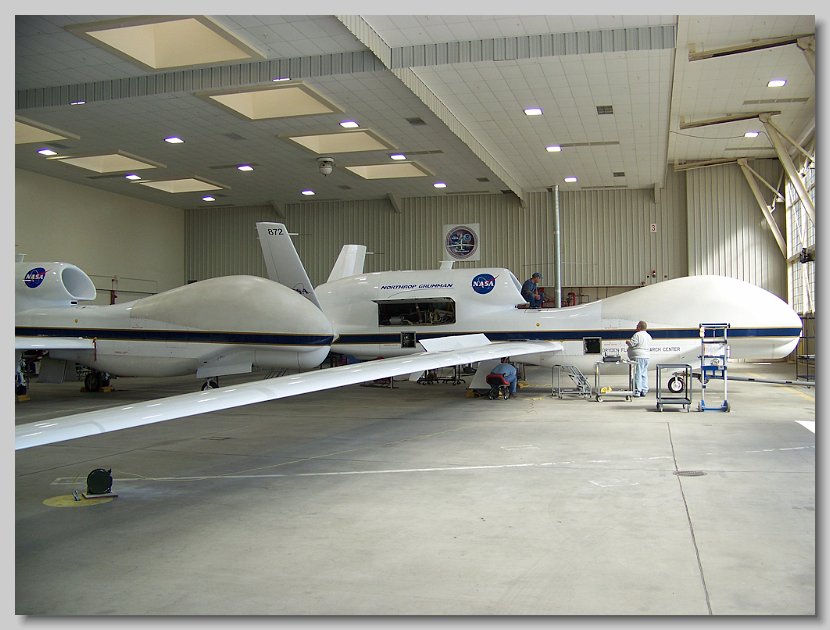
Image 37 of 70
These are Global Hawk unmanned jet observation platforms - they stay up for 31 hours, fly to 65,000 ft.
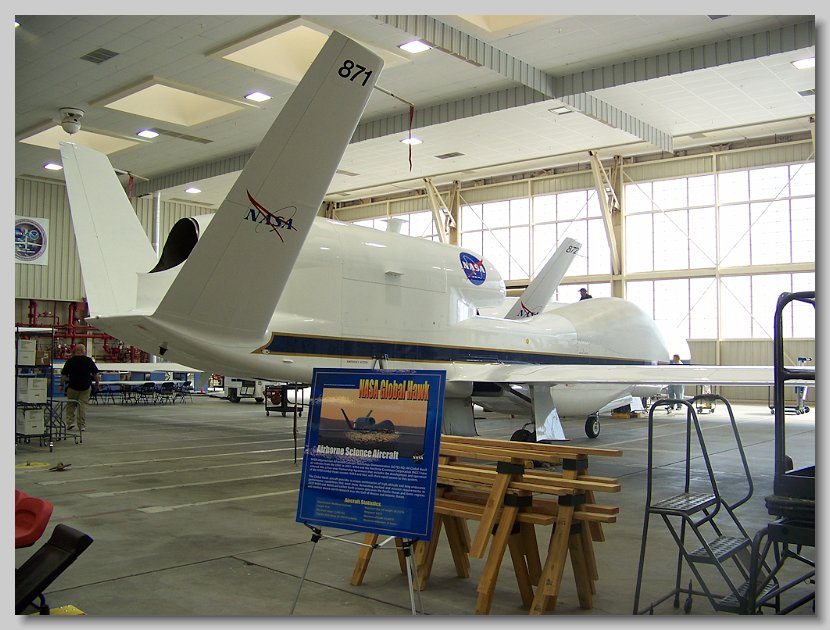
Image 38 of 70
NASA's planes will be used for weather research. Military versions are used for surveillance
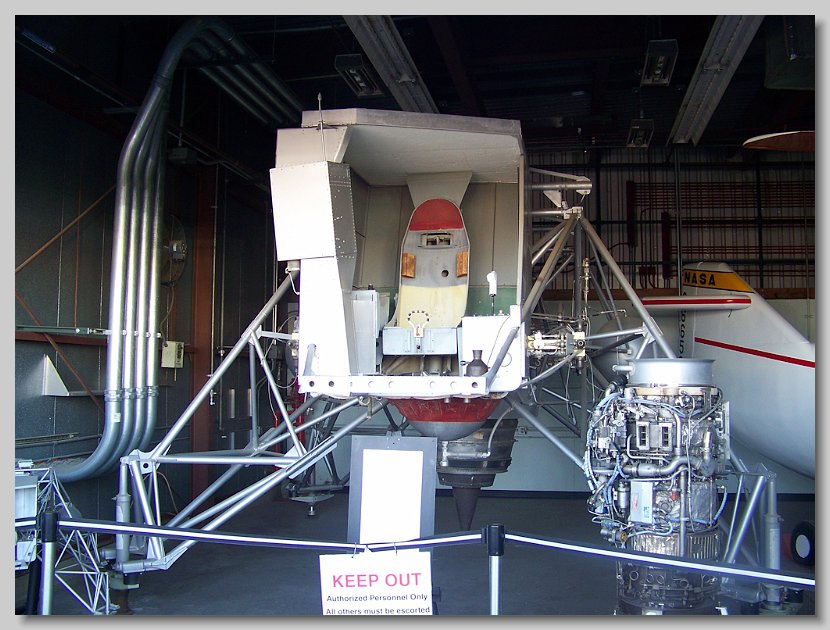
Image 39 of 70
The "Flying Bedstead" - test vehicle that preceeded the original Lunar Lander
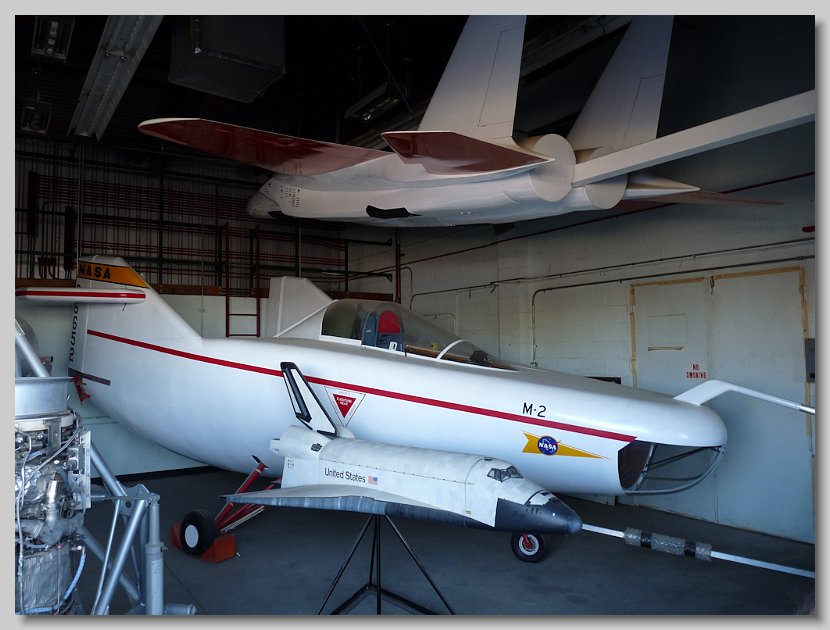
Image 40 of 70
Some models of NASA test planes. Some were also used in movies
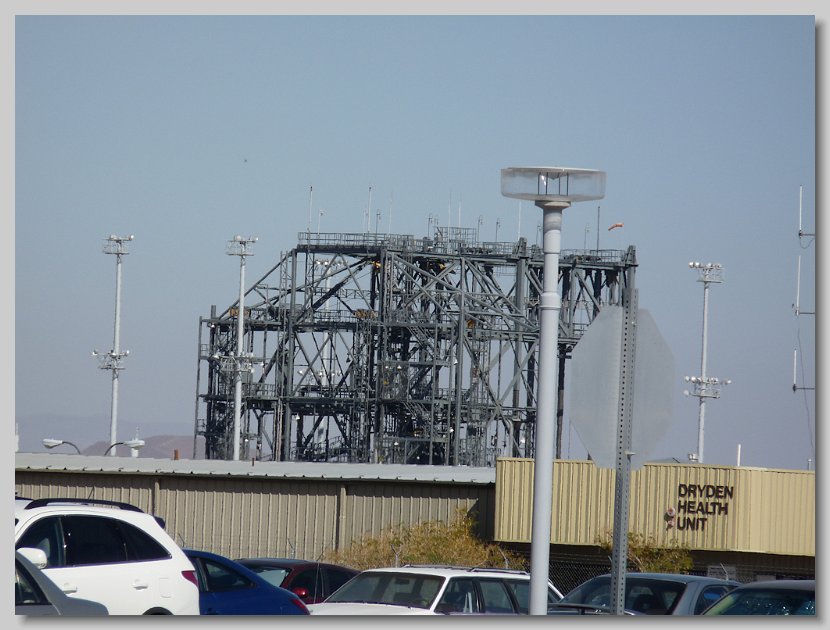
Image 41 of 70
That's the rig used to mount the space shuttle to the top of a 747 for transport
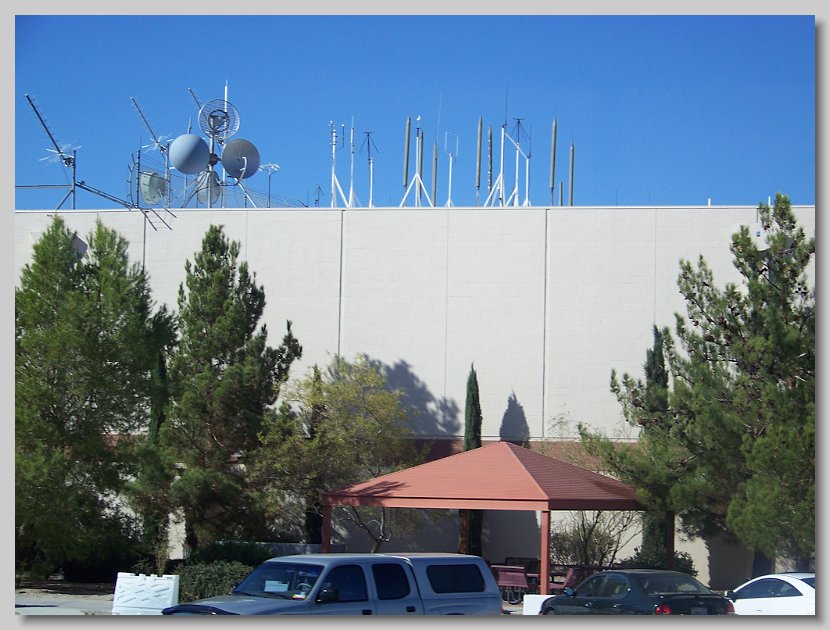
Image 42 of 70
All those antennas are atop the test center's control room
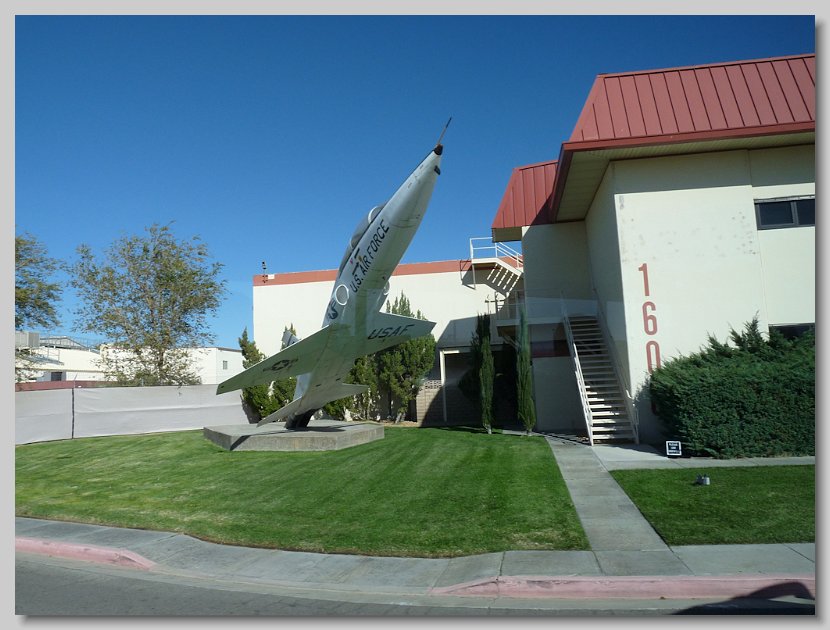
Image 43 of 70
There are a lot of planes on display stands around the base
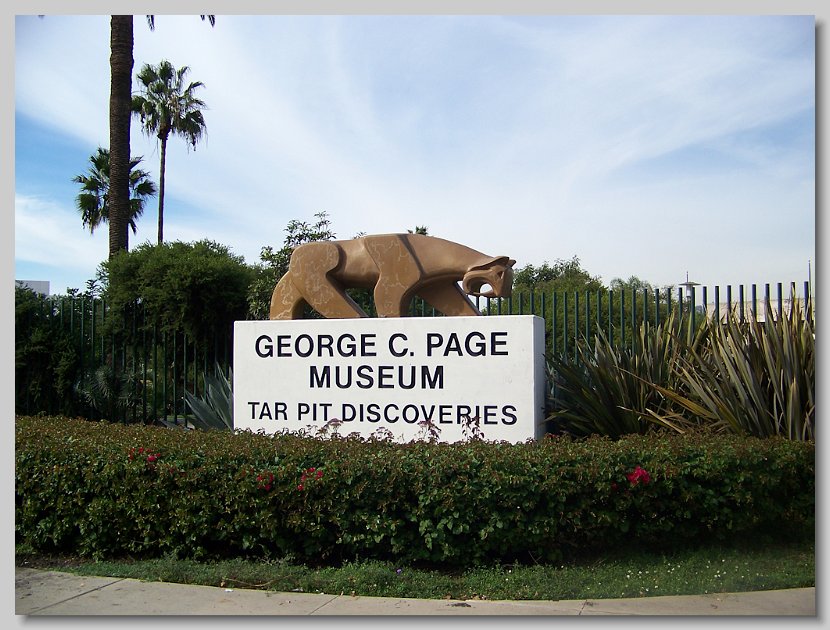
Image 44 of 70
Now to Los Angeles, and the La Brea Tar Pits
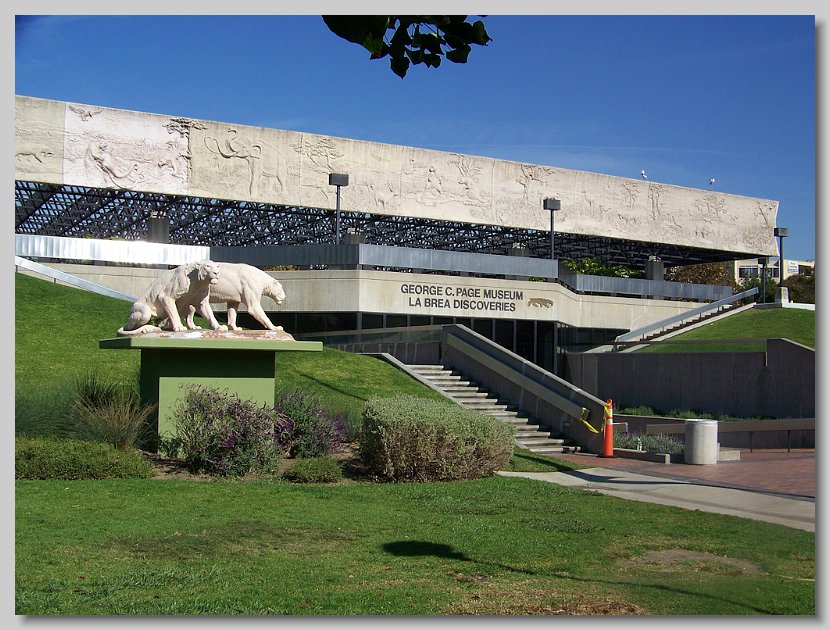
Image 45 of 70
The museum is devoted to fossils found in the tar pits
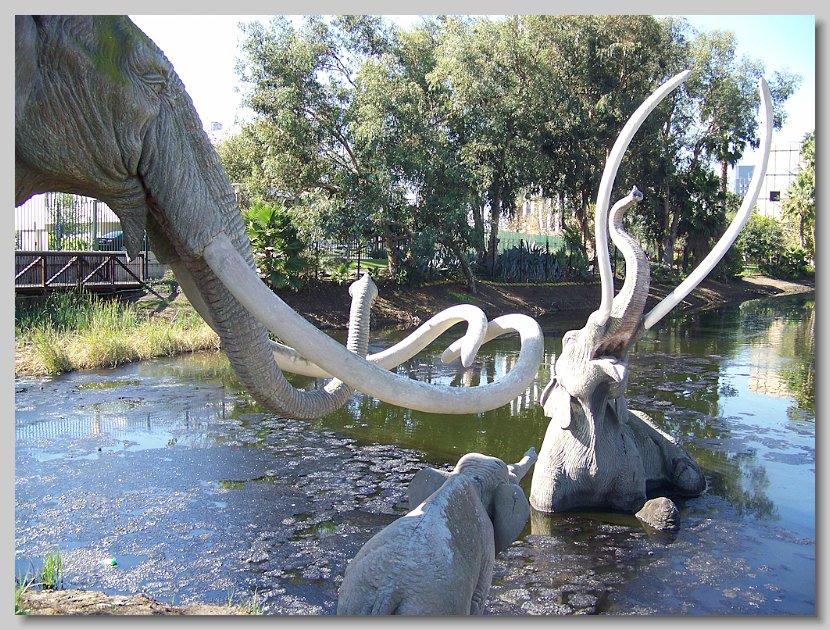
Image 46 of 70
In true show-biz fashion, concrete mastodons create a tableau in the tar
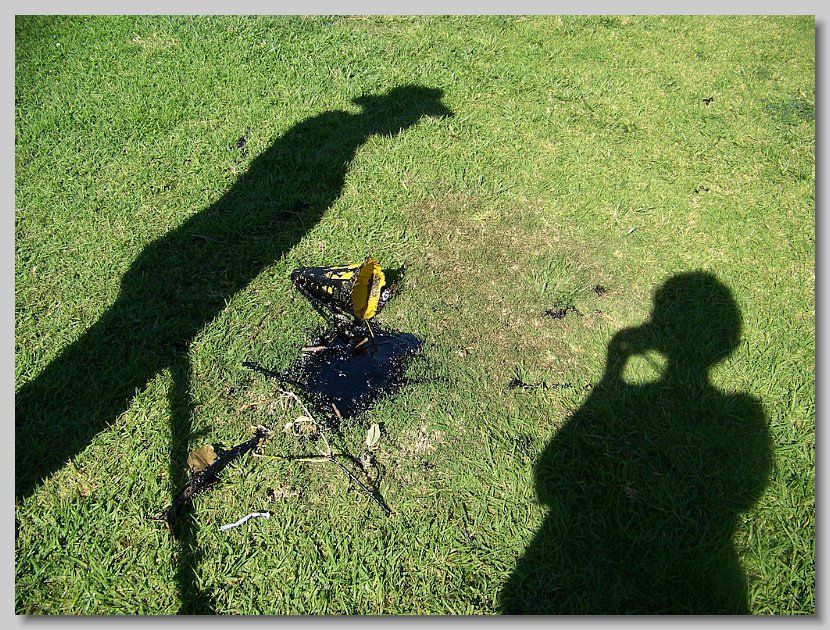
Image 47 of 70
A tar seep was starting to emerge in the lawn outside the museum
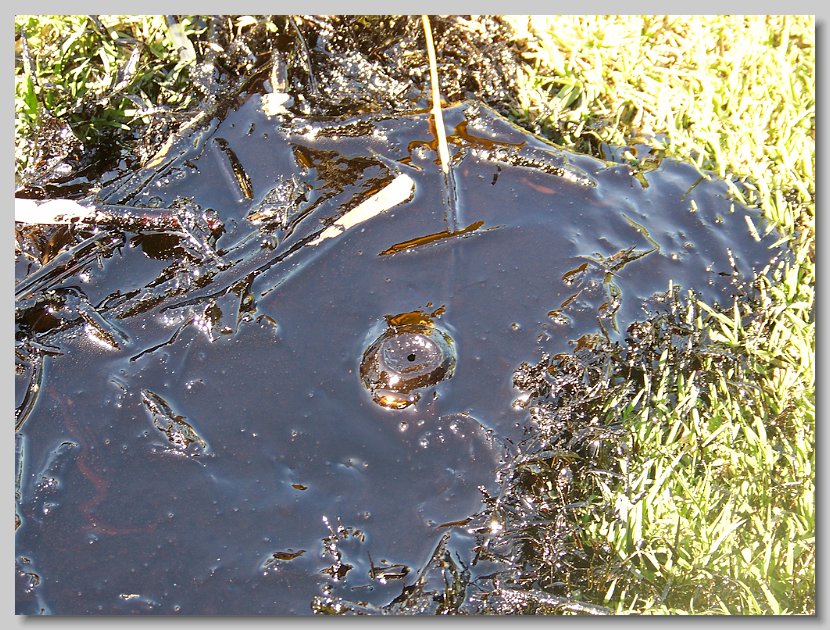
Image 48 of 70
Bubbles bring natural gas to the surface along with the tar
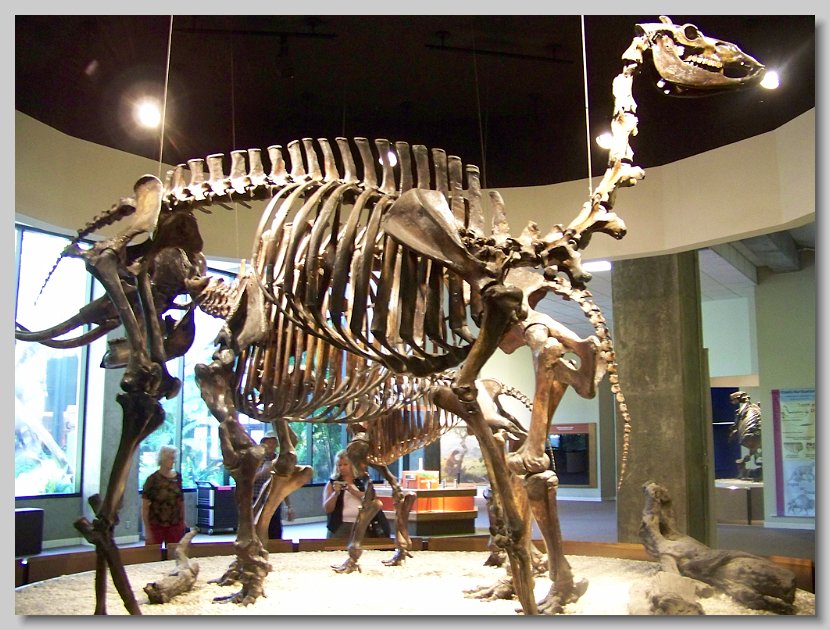
Image 49 of 70
Inside the museum, fossils abound. This is an ancient camel
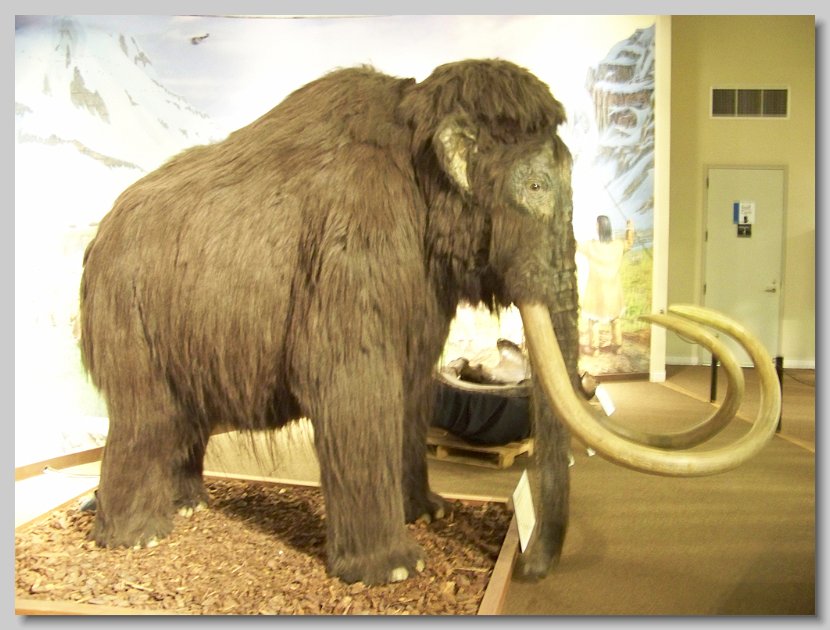
Image 50 of 70
Because it's California, this wooly mammoth is animatronic, and moves
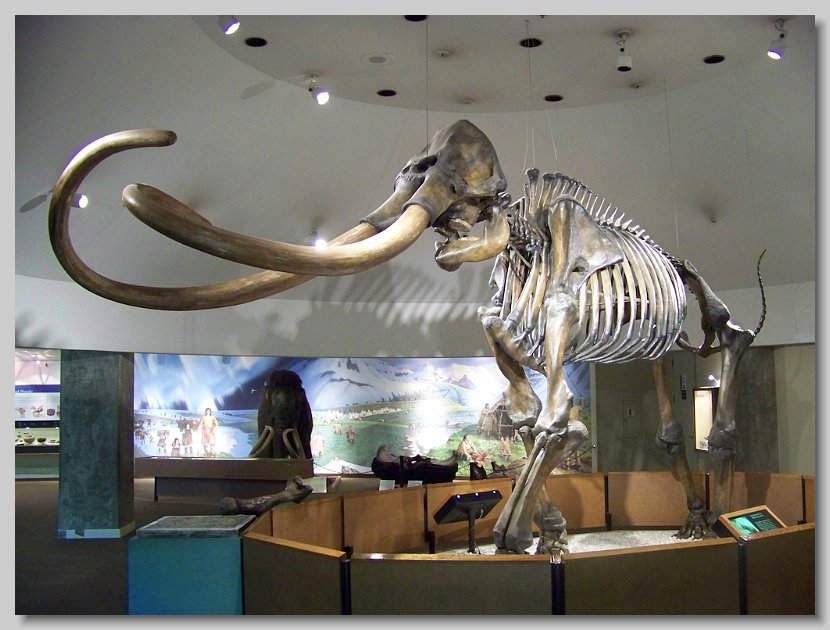
Image 51 of 70
This mastodon skeleton is the largest fossil in the museum
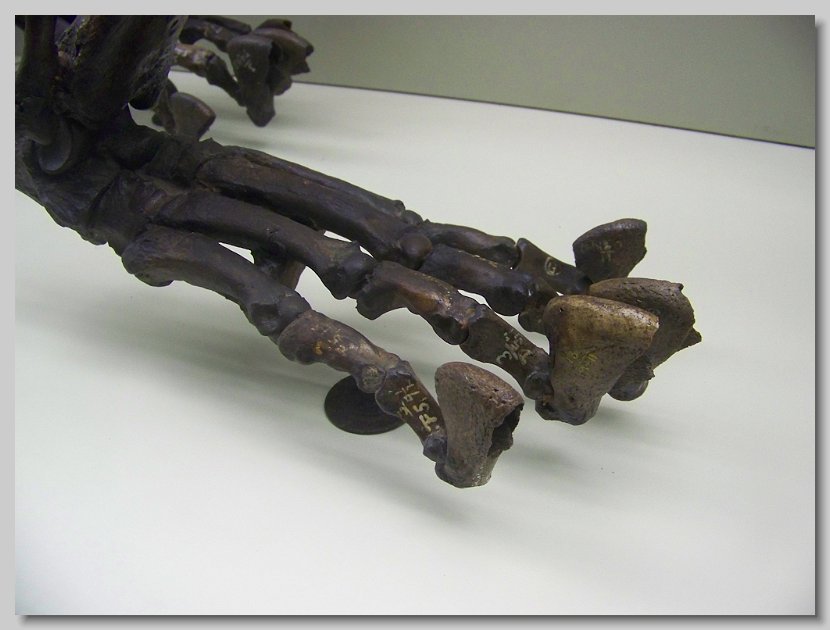
Image 52 of 70
Claw sheaths on the fossil foot of a saber-tooth cat.
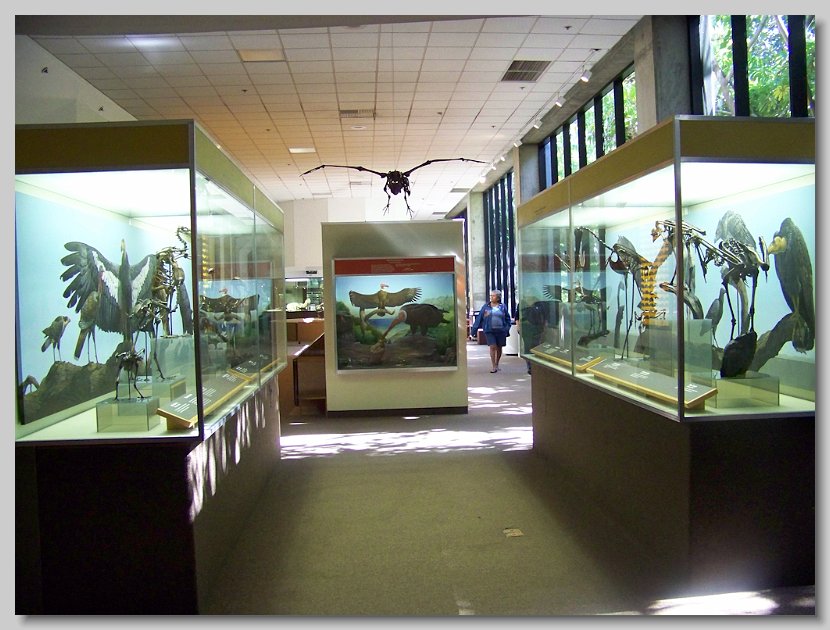
Image 53 of 70
The museum has a great way to display bird fossils - bones in front, same scale painting behind
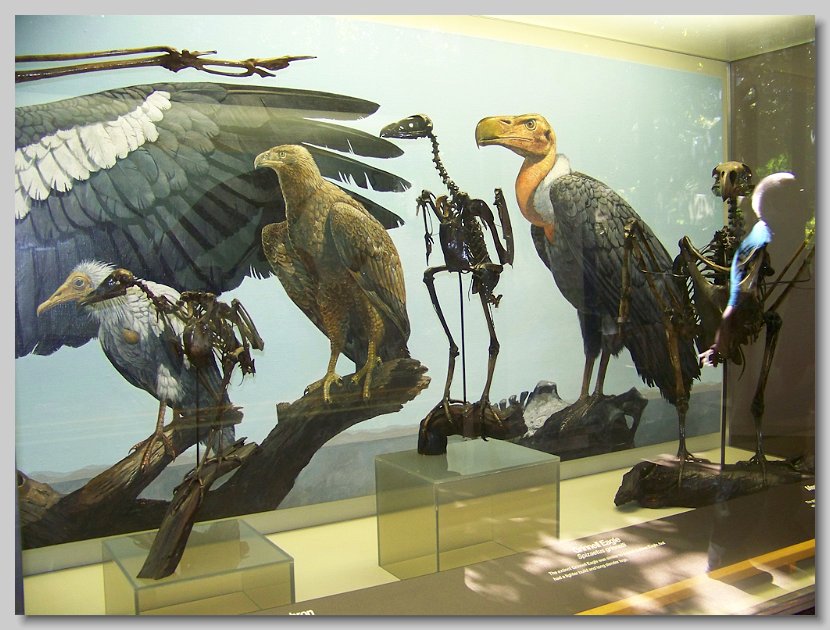
Image 54 of 70
We thought it was a great way to show the relationship of the skeleton to the bird
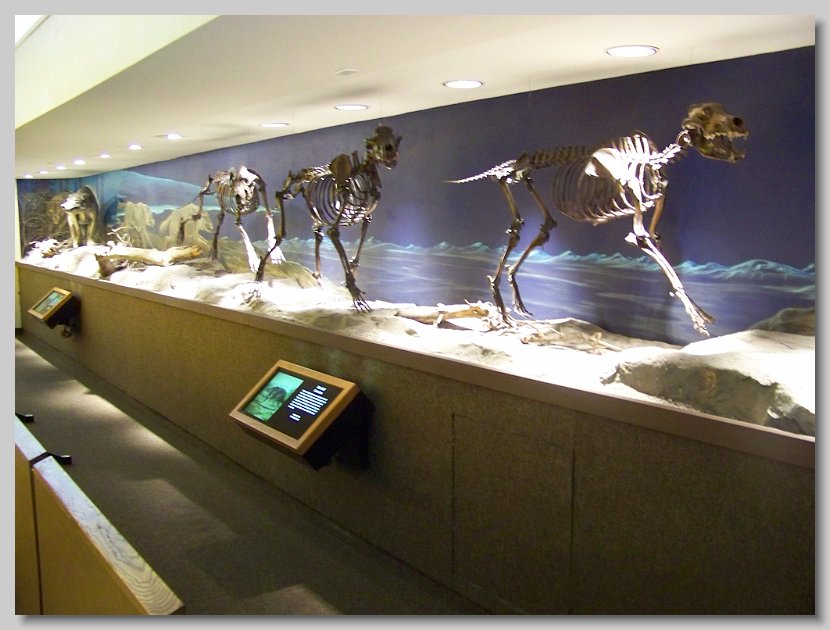
Image 55 of 70
Wolves are among the most common fossils found in the tar pits, so they can get creative with displays
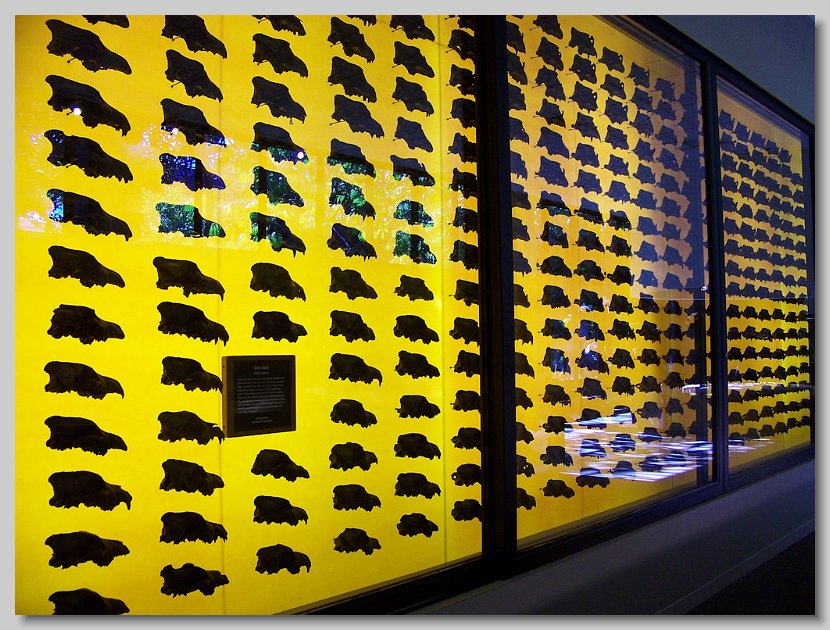
Image 56 of 70
One whole wall filled with wolf skulls. They've found over 1,000 so far
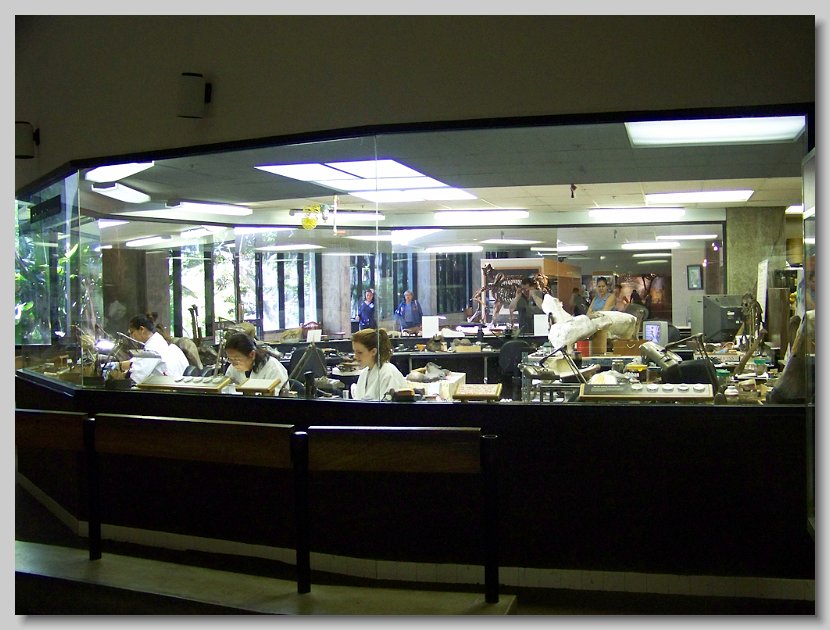
Image 57 of 70
That's the Paleontology Bubble - where all the fossils are prepared. Great way to see what they do
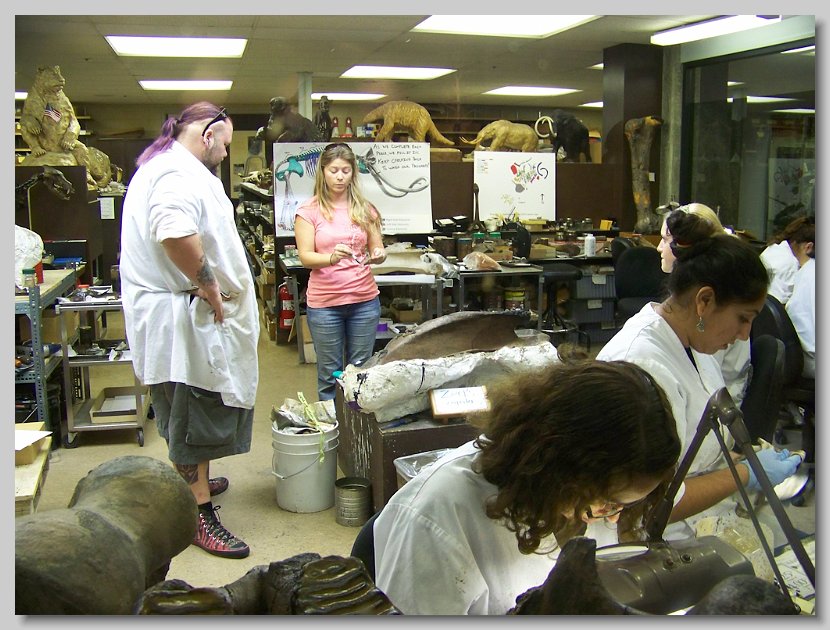
Image 58 of 70
Most of these folks are volunteers. Not sure about the guy with the purple hair
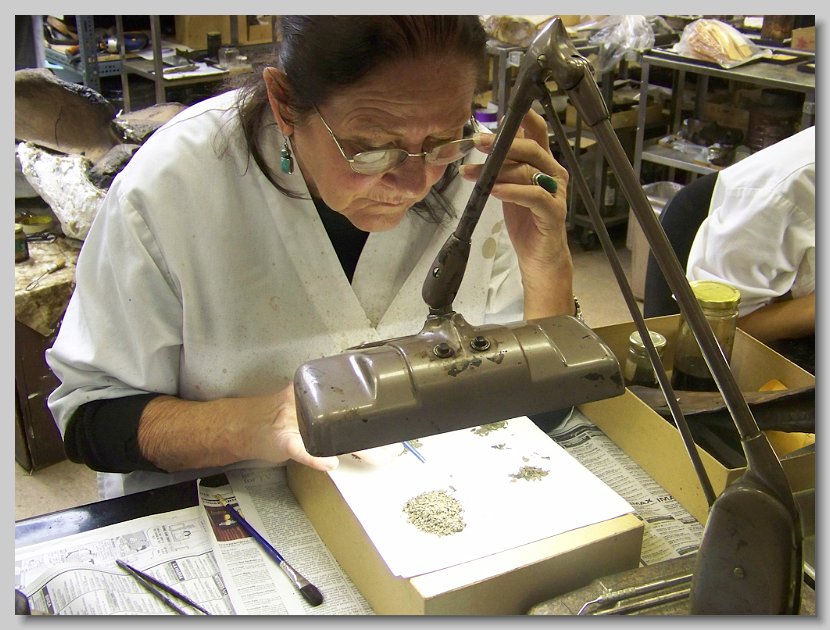
Image 59 of 70
She's sorting "microfossils" - really small things like the toe bones of mice
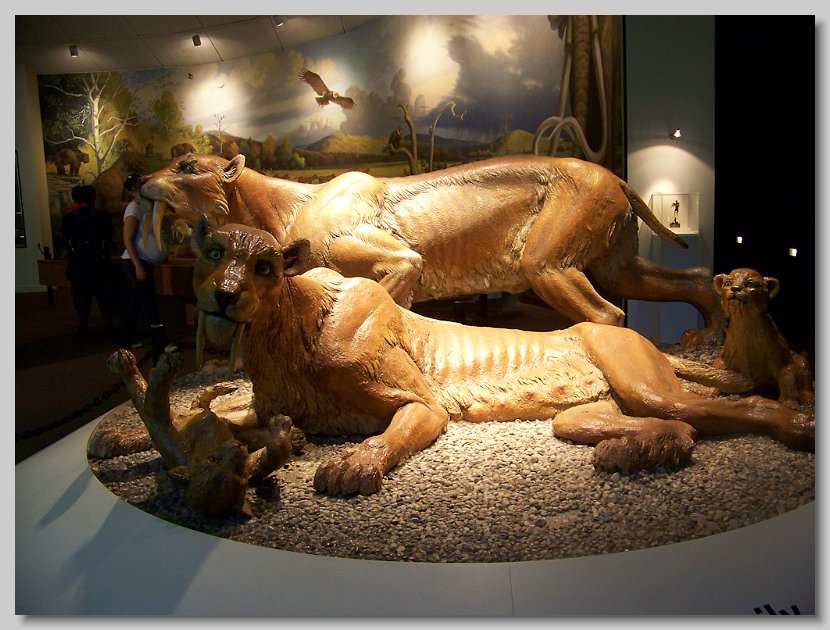
Image 60 of 70
Saber-tooth cats were not tigers or lions, but a whole separate species
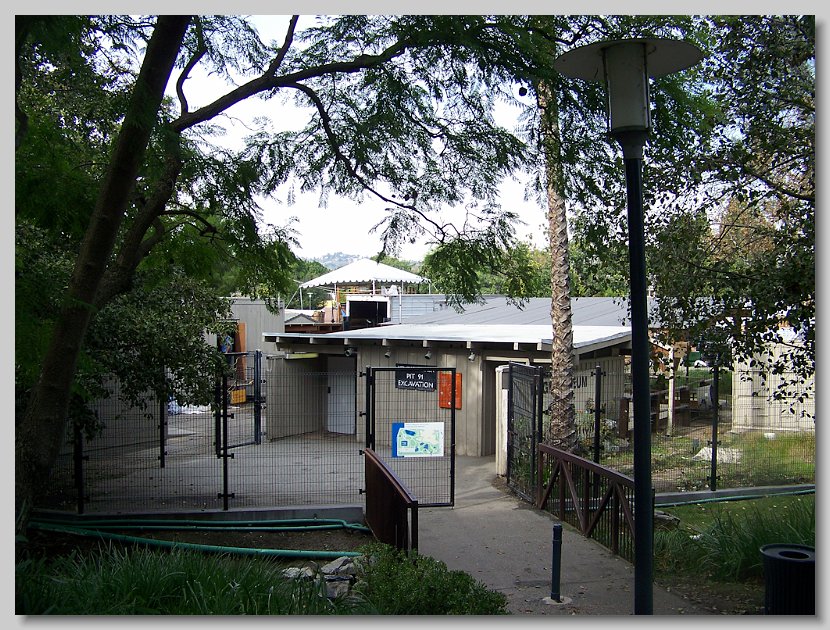
Image 61 of 70
Pit 91 has been a productive fossil dig for nearly 100 years
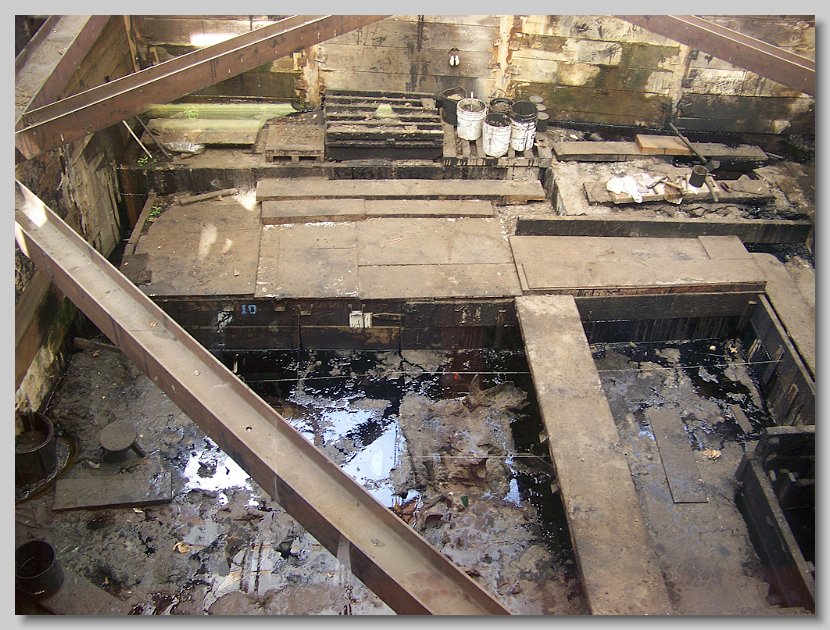
Image 62 of 70
This pit is worked by college kids in the summer. It's also been featured on "Dirty Jobs"
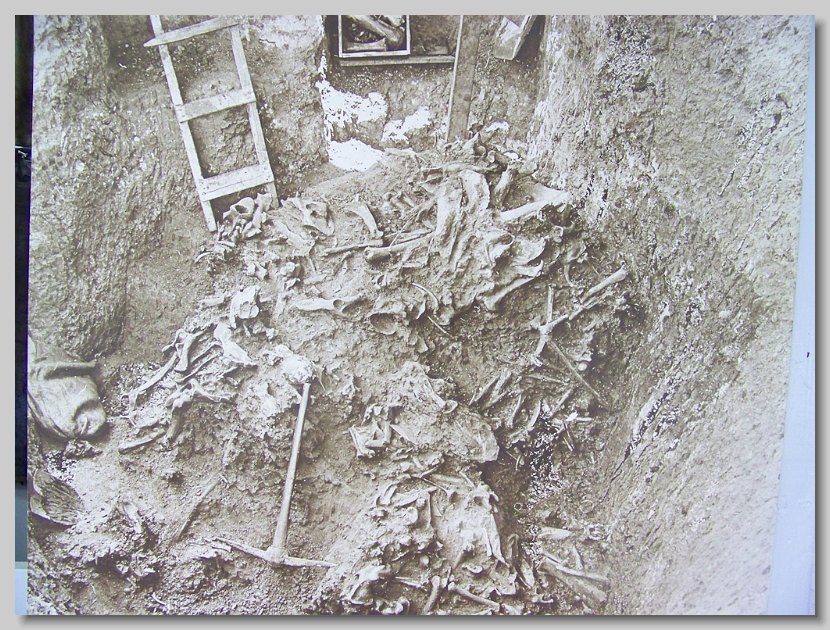
Image 63 of 70
Picture of a picture of what they found in pit 91 around 1915
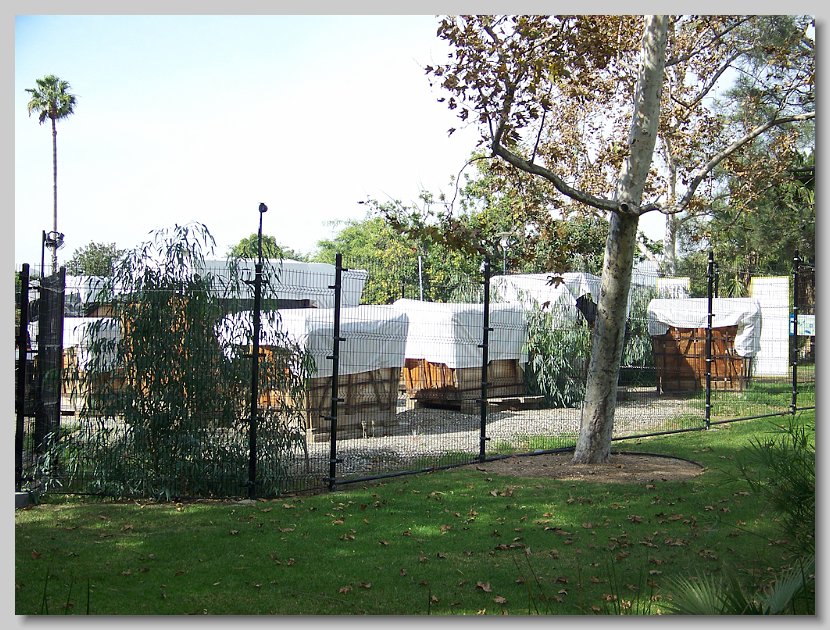
Image 64 of 70
A collection of boxed pits removed from a parking garage site. Most have not yet been excavated
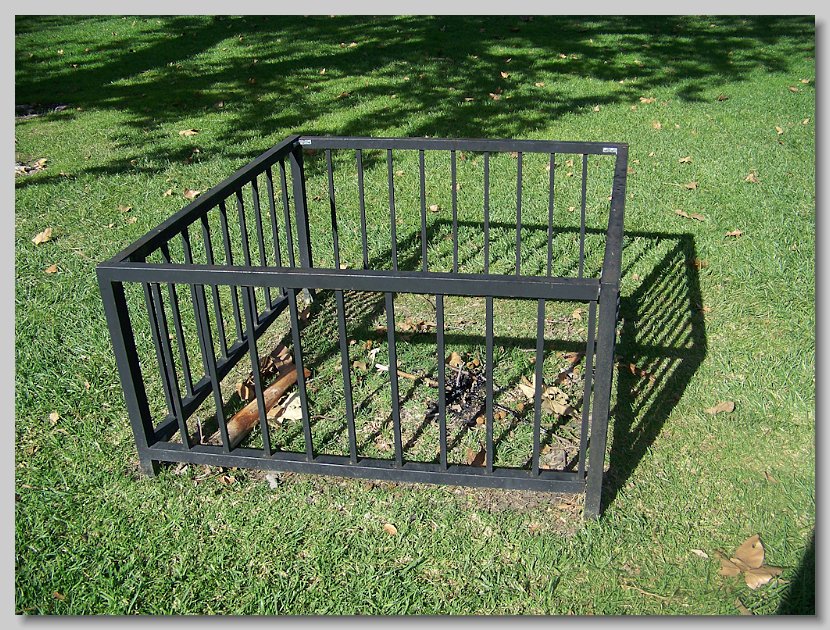
Image 65 of 70
Sometimes they build a fence around tar seepages to keep people and pets away
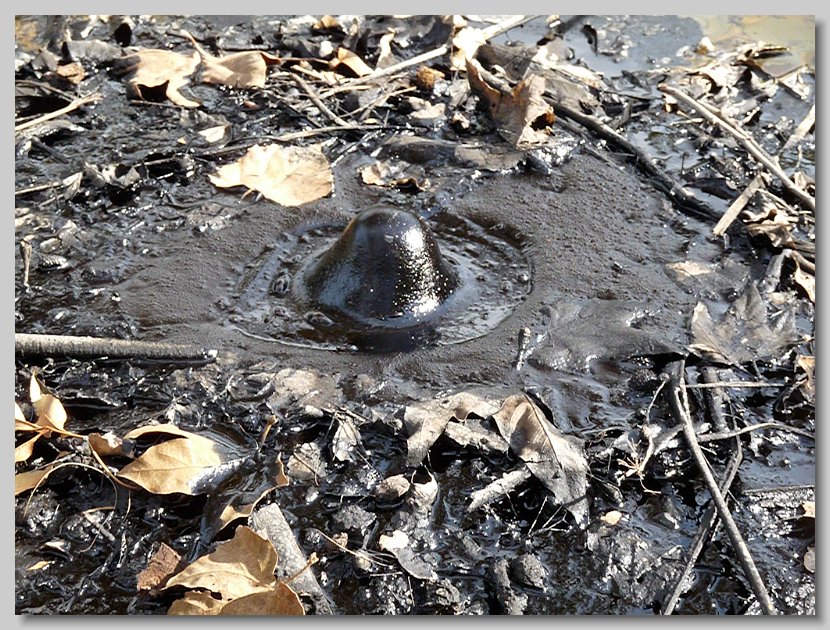
Image 66 of 70
Tar bubbles are formed when natural gas rises through the goo
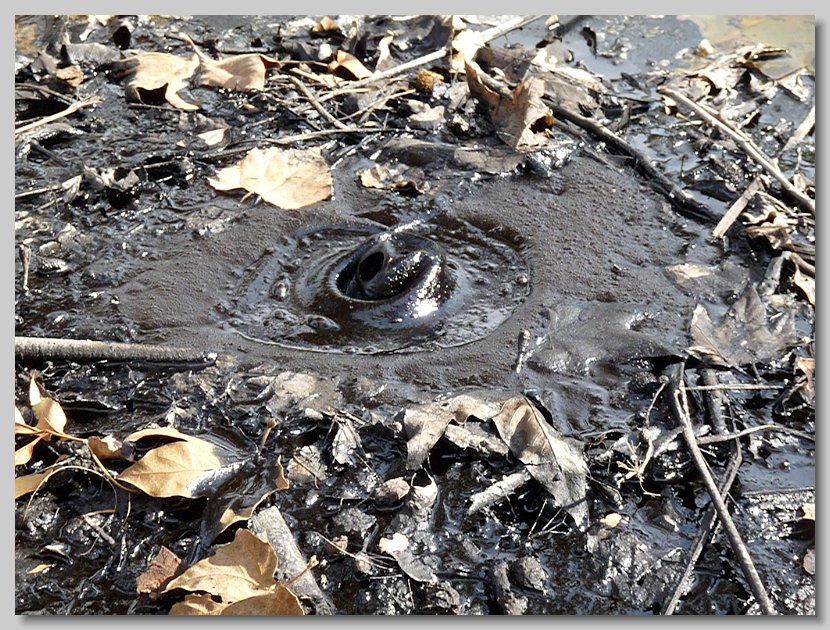
Image 67 of 70
It's kind of cool to watch them form and burst
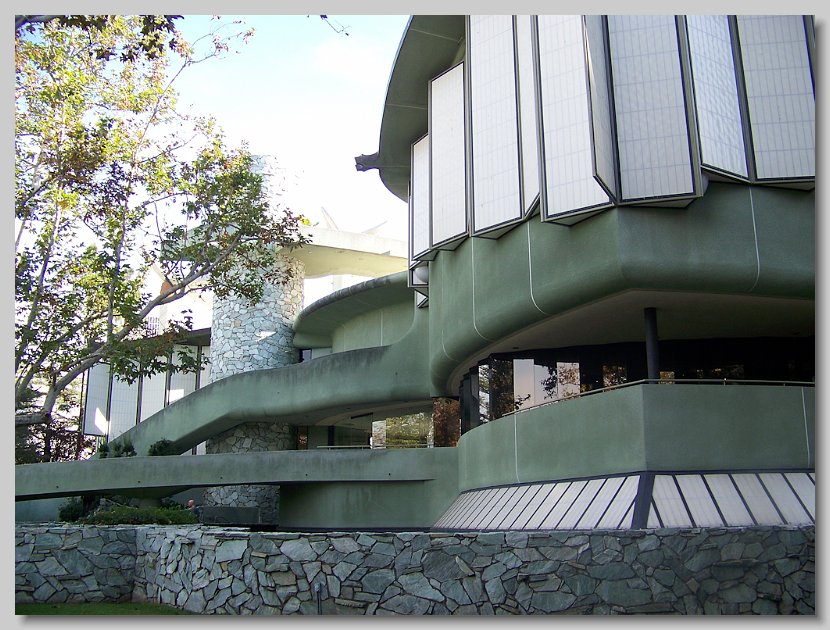
Image 68 of 70
The park also houses the beautiful Los Angeles County Museum of Art
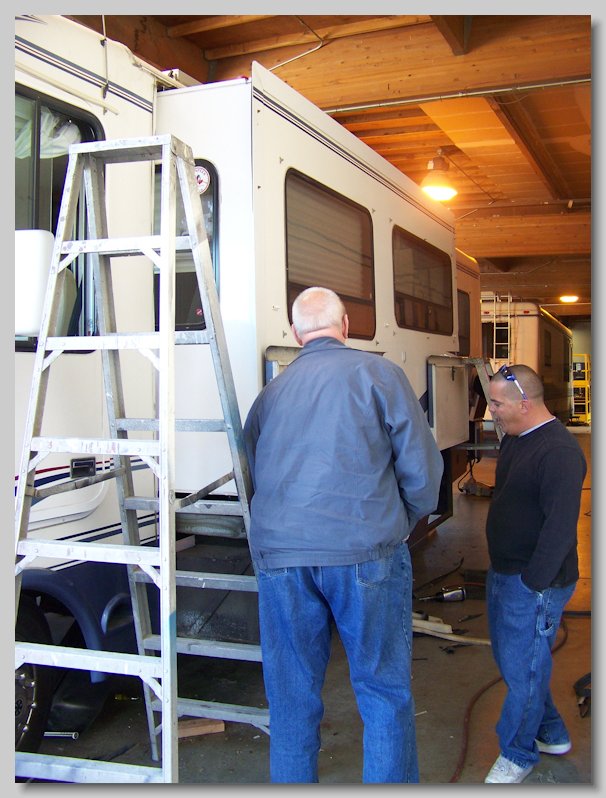
Image 69 of 70
Having the motorhome worked on at the Rexhall Factory - spendy!
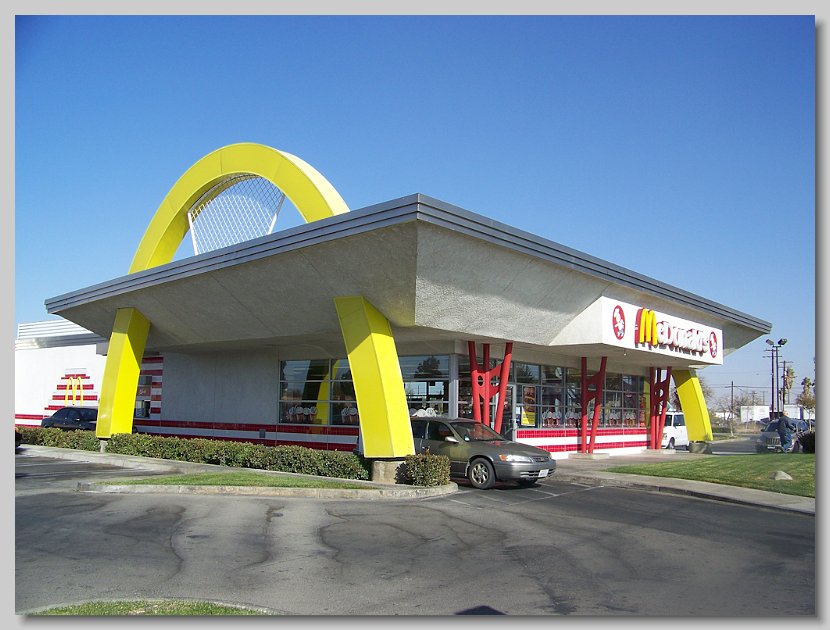
Image 70 of 70
We'll end with this shot of an old '50s-style McDonalds we lunched at in Palmdale.